The Complete Guide to Climbing Mount Kilimanjaro: Routes, Costs, Preparation (2026)
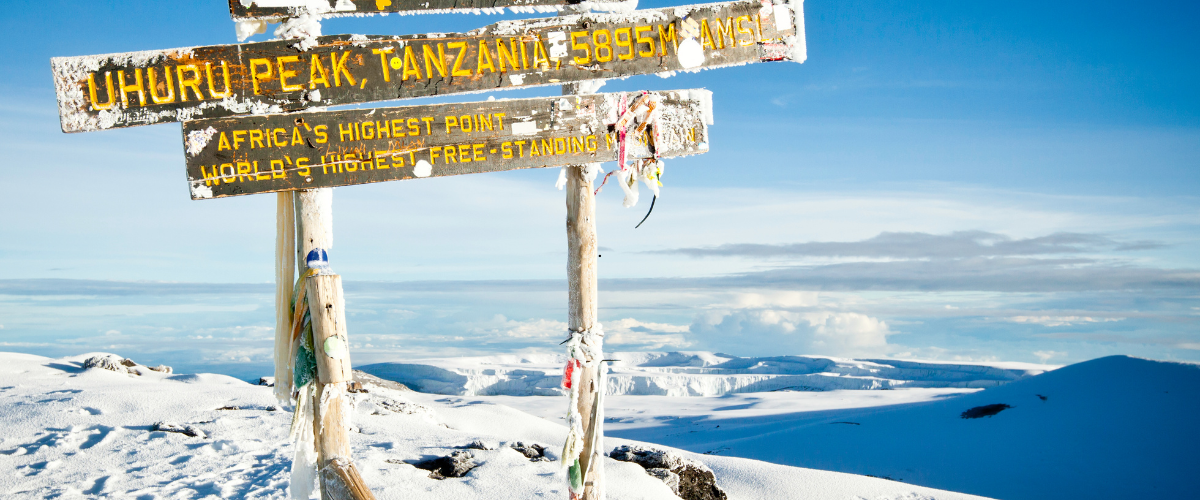
Mount Kilimanjaro is a bucket-list destination that draws thousands of adventurers every year. Standing at an imposing 5,895 meters (19,341 feet), it is the highest single free-standing mountain in the world. Here is your comprehensive guide to pulling off a successful summit.
Elevation: 5,895 meters (19,341 feet) · Recommended Duration: 7–8 Days · Highest Success Routes: Lemosho & Northern Circuit
Choosing Your Route: The Path to the Summit
Kilimanjaro is not a single-trail mountain. There are several established routes to the top, each offering a different blend of scenery, difficulty, acclimatization profiles, and success rates. Your route choice dictates your daily mileage and your overall chance of reaching the summit.
The Machame Route (“The Whiskey Route”)
The Machame route is currently the most popular choice for climbers. Approaching from the south, it offers stunning, diverse scenery, transitioning from dense rainforests to the otherworldly Shira Plateau.
- Duration: 6 to 7 days (the 7-day option is highly recommended for acclimatization).
- Difficulty: High. Expect steep sections, particularly the famous Barranco Wall, which requires some minor, non-technical scrambling.
- Success Rate: 85–90% for the 7-day itinerary.
- Best For: Adventurous climbers who want spectacular views and don’t mind heavier foot traffic.
The Lemosho Route
Approaching from the west, Lemosho is widely considered the most beautiful route on the mountain. It begins with a long, remote drive to the trailhead and offers a quieter experience for the first few days before merging with the Machame route.
- Duration: 7 to 8 days.
- Difficulty: Medium to High. The longer duration allows for an excellent “climb high, sleep low” acclimatization profile.
- Success Rate: 90–95%.
- Best For: Climbers prioritizing high success rates, pristine wilderness, and avoiding the initial crowds of Machame.
The Marangu Route (“The Coca-Cola Route”)
The oldest and most established route, Marangu approaches from the southeast. It is unique because it is the only route that uses A-frame wooden mountain huts rather than camping in tents.
- Duration: 5 to 6 days.
- Difficulty: Medium. The trail itself is a gradual, steady slope, but the rapid ascent profile makes acclimatization very difficult.
- Success Rate: 70–75%. (Often lower on the 5-day itinerary).
- Best For: Climbers on a strict budget or those who absolutely refuse to sleep in a tent.
The Northern Circuit
The newest and longest route on Kilimanjaro, the Northern Circuit begins in the west (like Lemosho) but then traverses the quiet, rarely visited northern slopes of the mountain before summiting.
- Duration: 8 to 9 days.
- Difficulty: Low to Medium.
- Success Rate: 95–98%. The extended time at altitude provides the safest and most thorough acclimatization possible.
- Best For: Those with extra time and budget who want maximum summit odds and true solitude.
The Real Cost of Climbing in 2026
If you search for Kilimanjaro climbs, you will see prices ranging from $1,500 deals to $6,500 luxury expeditions. Understanding why this gap exists is crucial to booking a safe and ethical climb through a reputable operator like Africa Paradise Adventures.
The Fixed Floor: Government Fees
The short truth is that a massive portion of your climbing fee goes directly to the Tanzanian government. In 2026, Kilimanjaro National Park charges a conservation fee of $70 per person per day, a camping/hut fee of $50–$60 per night, a $20 rescue fee, plus crew fees and an 18% VAT. For a standard 7-day climb, government fees alone eat up roughly $800 to $1,000 per climber before anyone has lifted a rucksack or cooked a meal.
Expedition Tiers Explained
Because the fixed costs are so high, a $1,500 quote should be a red flag. To offer prices that low, operators must cut corners—usually by underpaying porters, providing inadequate food, or skimping on safety equipment like oxygen tanks.
| Tier | Price Range (USD) | What to Expect |
|---|---|---|
| Budget | $1,800 – $2,300 | Honest basics, shared logistics, standard tents, acceptable food, fair crew wages. Often 5-6 day routes. |
| Mid-Range | $2,400 – $3,500 | The sweet spot for value. Certified guides, high-quality mountain tents, great food, smaller group sizes, and high summit odds. |
| Luxury | $4,500 – $6,500+ | Maximum comfort. Walk-in sleeping tents, cots, portable flush toilets, private chefs, and a 1:1 guide-to-climber ratio. |
Hidden Costs to Budget For
Your tour package is rarely the final price. When building your budget, you must factor in:
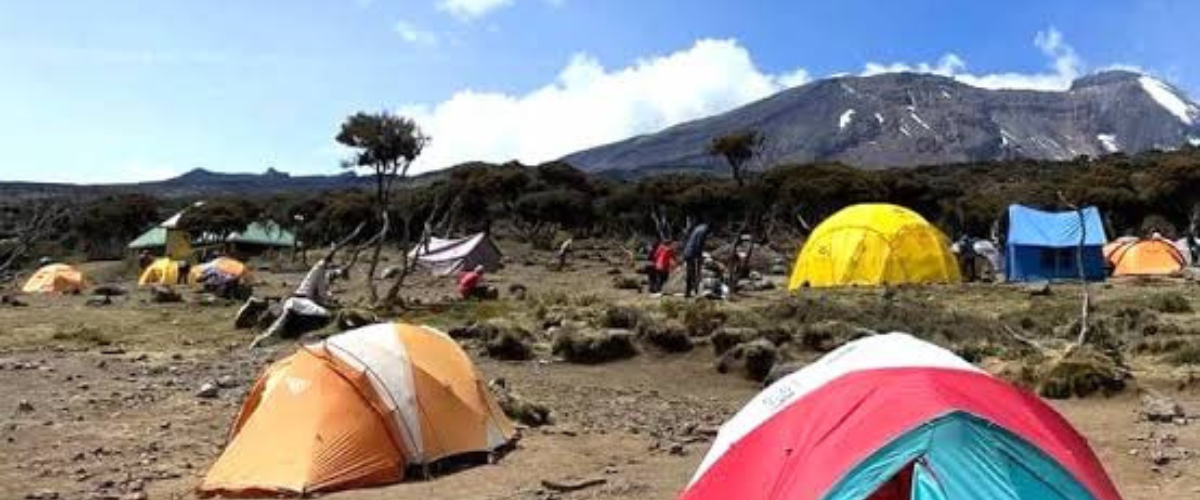
- Crew Tipping: Tipping is mandatory in practice and forms a vital part of the crew’s income. Budget $250 to $350 per climber for a 7-day trek. This is usually pooled and presented in cash (USD) on the final day.
- Gear Rental: If you don’t own high-altitude gear, you can rent it in Moshi or Arusha. A complete head-to-toe rental package (sleeping bag, down jacket, poles) costs about $150 to $200.
- Flights & Visas: International flights to Kilimanjaro International Airport (JRO) and the Tanzanian entry visa ($50–$100 depending on nationality) are excluded from climb packages.
Physical Preparation and Training
Climbing Mount Kilimanjaro is a hike, meaning it requires no ropes, harnesses, or technical mountaineering skills. However, it is an exhaustingly steep, multi-day hike at extreme altitude.
The 6-Month Training Timeline
Do not rely on general gym fitness to get you up the mountain. Your training needs to be specific to the task: walking uphill for hours on end with a weighted pack.
- 6 Months Out (Building the Base): Focus on sustained cardiovascular work. Hiking, stair climbing, and cycling 3 to 4 times a week. You are building the aerobic engine necessary to process thin air.
- 3 Months Out (Specificity and Load): Shift your focus to simulated mountain conditions. Start carrying a daypack loaded with 10kg (22 lbs) of water or gear. The Benchmark Test: Can you hike 15km (9.3 miles) continuously with a 10kg pack in under 4.5 hours? Climbers who meet this benchmark summit at significantly higher rates.
- 1 Month Out (The Sharpening Phase): Engage in back-to-back 5-hour training days on the weekends to get your body used to recovering overnight and hiking again on tired legs.
The Altitude Factor
You can be an Olympic marathon runner and still succumb to Acute Mountain Sickness (AMS). Altitude sickness is largely genetic and unpredictable. However, you can give yourself an edge:
- Hike High: If you live near mountains, do weekend hikes at 2,000–2,500 meters (6,500–8,200 ft) to kickstart your body’s adaptation.
- Go Slow: The local mantra is “Pole, pole” (slowly, slowly). Walking at a snail’s pace keeps your heart rate down and aids acclimatization.
- Hydrate: A dehydrated climber loses 30-40% of their performance at altitude. Drink 3 to 4 liters of water a day.
The Essential Gear Checklist
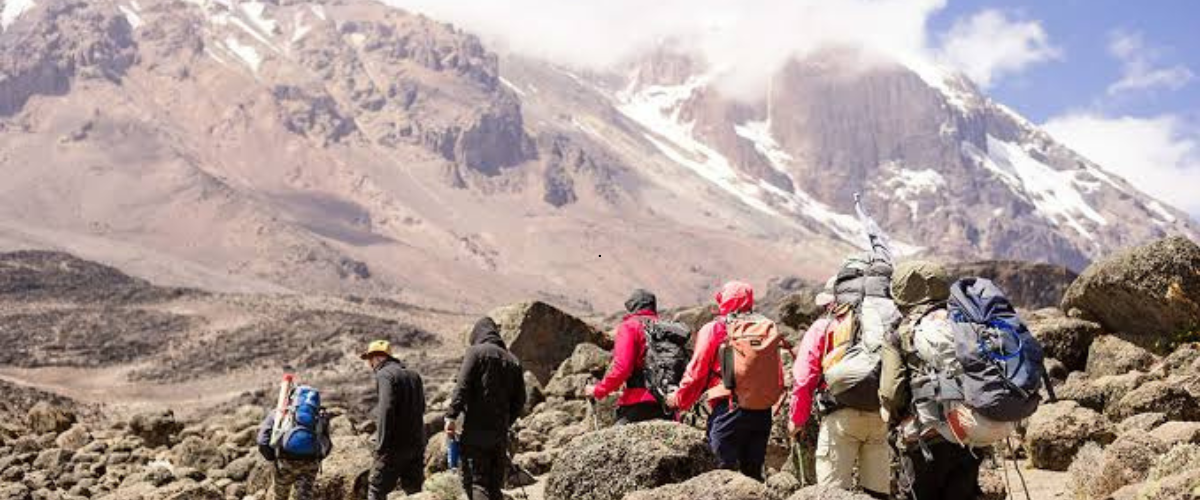
The temperature on Kilimanjaro fluctuates wildly. You will start trekking in a humid tropical rainforest in a t-shirt and summit in a frozen arctic wasteland where windchills drop to -25°C to -30°C. Layering is your only defense.
The Big Five (Do Not Skimp Here)
While you can rent almost everything through your operator, these five items are highly recommended to own and test beforehand:
- Waterproof Hiking Boots: Do not buy boots the week before your trip. They must be aggressively broken in over 3 months of training to prevent trip-ending blisters.
- Sleeping Bag: Must be rated to at least -15°C (5°F). The mountain is brutally cold at night.
- Headlamp: Minimum 200 lumens with fresh batteries. You will start your summit push around midnight, hiking for 6-7 hours in pitch black.
- Base Layers: Absolutely no cotton. Bring high-quality Merino wool or synthetic thermal tops and bottoms to manage sweat on the ascent and retain heat during rest stops.
- Trekking Poles: Essential for saving your knees on the grueling 2-day descent from the summit.
The Layering System
Your clothing needs to operate as a system:
- Layer 1 (Base): Moisture-wicking thermals.
- Layer 2 (Insulation): Fleece jackets and a thick 700+ fill down jacket.
- Layer 3 (Shell): Waterproof and windproof hard shell jacket and pants. At the crater rim, the biting wind is a far greater threat than precipitation.
Ready to Conquer the Roof of Africa?
Climbing Kilimanjaro is a massive physical, mental, and financial undertaking. The key to a successful 2026 expedition is giving yourself the gift of time. Choose a 7 or 8-day route like Machame or Lemosho to let your body adjust, book with a reputable mid-range operator that pays its porters a fair wage, and spend the 6 months prior logging miles on the trail.
The view from the top is worth every drop of sweat it takes to get there. Start planning your epic ascent today with Africa Paradise Adventures, where safety, ethical climbing, and unforgettable experiences are guaranteed.