
Tarangire National Park Safari: Elephants, Baobabs, Best Season, Itinerary
Discover a Tarangire safari focused on elephants and baobabs. Learn about the best season, what makes the park special, and how to fit a 2–3 day itinerary into your Northern Circuit trip.
Large Tarangire elephant herds · Iconic baobab landscapes · Excellent dry-season game
Tarangire Safari Overview
A Tarangire safari stands out for two reasons: large elephant herds and striking baobab trees. The park sits on the Northern Circuit yet receives fewer visitors than the Serengeti or Ngorongoro. As a result, game drives often feel quieter and more spacious for everyone in the vehicle.
The Tarangire River draws animals in the dry season. Elephants gather in impressive numbers. Predators follow. Birdlife is excellent. The combination of wildlife and landscape makes the park a strong addition to any Tanzania itinerary.
Africa Paradise Adventures regularly includes Tarangire in Northern Circuit routes. You can see how it fits with other parks on our Ngorongoro, Tarangire and Manyara package and in the wider safari package list.
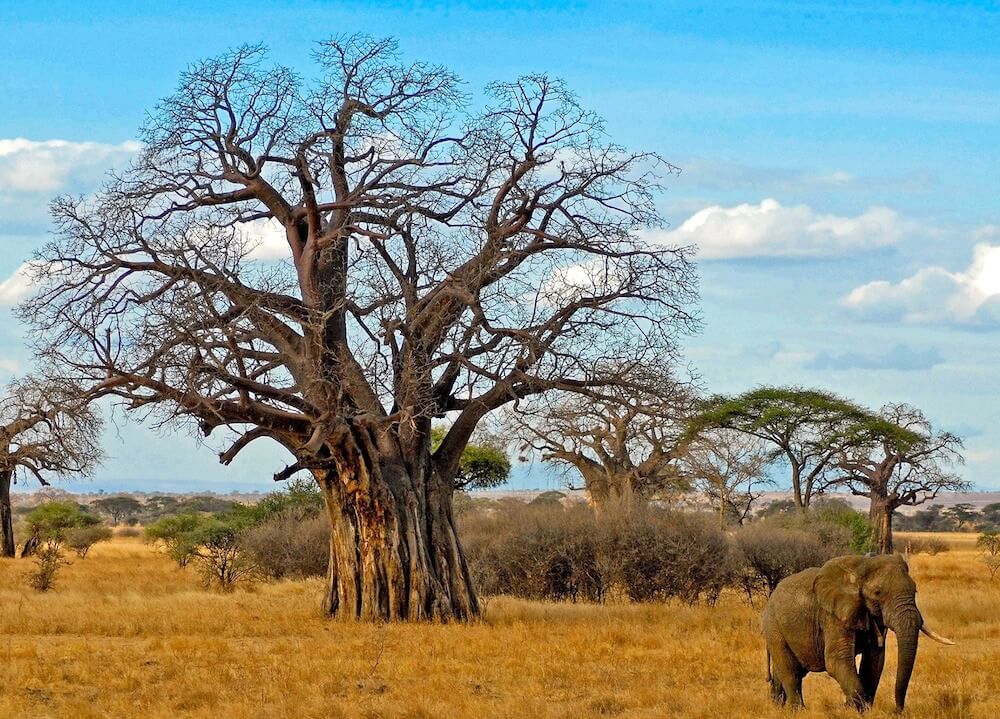
Tarangire Elephants: The Park’s Signature
Tarangire elephants are the main reason many visitors come. In the dry months the herds concentrate along the river and around remaining water sources. Groups of dozens, and sometimes far more, are common.
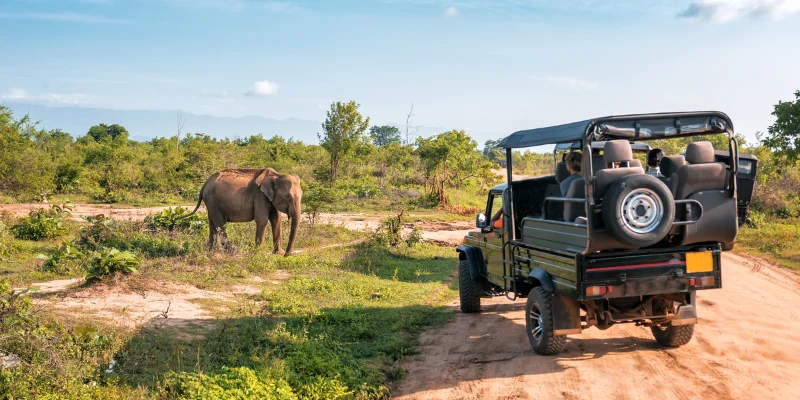
You see family units, young calves, and large bulls. The animals are used to vehicles in the main areas, so viewing is often relaxed and prolonged. Photographers find excellent opportunities in soft morning and late afternoon light. Guides position the vehicle so all guests have a clear view.
Elephant numbers drop somewhat in the green season when water is available across a wider area. Even then, Tarangire remains one of the better elephant parks on the Northern Circuit.
Watching a large herd cross open ground or gather at a water point is one of the great safari sights. Calves stay close to their mothers. Older females lead. Keep a respectful distance, especially when young ones are present.
For more on Tanzania’s parks and wildlife patterns, see our about Tanzania resource. Official park information is available from Tanzania National Parks.
Baobab Safari Landscapes
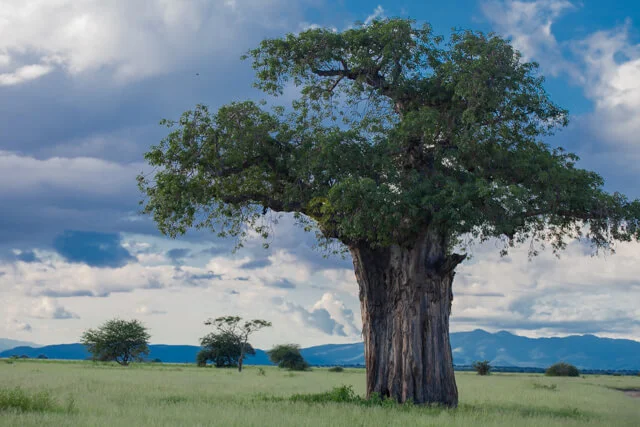
Baobab trees give Tarangire its distinctive look. These ancient giants stand alone or in small groups across the savannah. Their thick trunks and sparse branches create a landscape that feels timeless.
A baobab safari moment often combines an elephant or giraffe with one of these trees in the frame. The result is one of the most recognisable scenes in East African safari photography. Many guests ask guides to stop simply to appreciate the trees themselves.
The trees also provide food and shade for wildlife. Elephants sometimes strip bark. Birds nest in the hollows. The baobabs are part of the living system, not just scenery.
Some of the largest specimens are centuries old. Standing beside one gives a sense of scale that photographs only partly capture. Neutral clothing and quiet behaviour help you blend into the scene.
Other Wildlife on a Tarangire Safari
Beyond elephants, Tarangire holds strong populations of buffalo, giraffe, zebra, and wildebeest. Lions are present and often seen near the river in the dry season. Leopards occur in the woodier areas. Cheetahs appear on the open plains.
Birdlife is outstanding. Over 500 species have been recorded. Colourful rollers, bee-eaters, and raptors are regular sights. The wetter months bring even more migrants.
The mix of habitats — riverine woodland, open grassland, and swamp — supports this variety. Inclusive guiding means birders and mammal enthusiasts can both be accommodated within the same drive when the day is paced well.
In short, a Tarangire safari delivers more than elephants and baobabs. It offers a full range of classic savannah wildlife in a less crowded setting.
Best Season for Tarangire Safari
The dry season from June to October is peak time for Tarangire elephants and general game viewing. Water sources shrink. Animals concentrate. Visibility is good because the grass is short.
The early dry months and the late dry months both work well. October can be hot, yet wildlife remains excellent.
The green season brings lush scenery and fewer vehicles. Some animals spread out, so densities feel lower. Birding, however, is often at its best. Photographers who like dramatic skies and green backdrops find these months rewarding.
Most Northern Circuit travellers visit Tarangire in the dry season as part of a wider route. That timing maximises the elephant experience for the whole group.
If your dates fall in the green season, Tarangire is still worth including. The park feels quieter and the light can be beautiful after rain. Adjust expectations around elephant density and enjoy the birdlife and scenery.
Sample 2–3 Day Tarangire Itinerary
Two nights is a comfortable length for most visitors. Arrive in the afternoon for a first game drive. Spend the full next day exploring different areas of the park. Depart the following morning toward Ngorongoro or back toward Arusha.
A three-night stay allows a slower pace and a second full day of drives. It also gives more chance of varied sightings if one day is quieter. Families and mixed groups often prefer this extra buffer.
Many itineraries place Tarangire at the start of the Northern Circuit. It sits closest to Arusha, so the transfer is short. From there the route often continues to Manyara, Ngorongoro, and the Serengeti.
Ready-made combinations appear on our Ngorongoro, Tarangire and Manyara page and in the safari package list.
Why Include Tarangire in Your Trip
Tarangire is often called underrated. That is fair. It delivers large elephant herds and beautiful landscapes without the vehicle density of the most famous parks.
It also fits the Northern Circuit logistics perfectly. A stop here adds variety before or after the crater and the Serengeti. The change of scene keeps the whole safari feeling fresh for every guest.
For travellers who care about photography, the baobabs and elephant gatherings provide strong, distinctive images. For those who simply want excellent game viewing in a relaxed atmosphere, the park performs consistently.
You can explore how Tarangire sits within broader Tanzania options on our about Tanzania page and learn about the team on about us.
Practical Tips for Your Tarangire Safari
- Visit in the dry season for the strongest elephant concentrations.
- Allow at least one full day and ideally two nights.
- Bring binoculars and a camera with decent zoom.
- Combine with Ngorongoro and the Serengeti for a classic Northern Circuit.
- Ask your guide about current river levels and recent elephant movements.
These steps help you make the most of both the Tarangire elephants and the wider park experience. Inclusive planning ensures different energy levels and interests within the group are respected.
Public background on Tanzania’s protected areas is available via TANAPA and related tourism resources.
Tarangire Safari FAQs
When is the best time to see Tarangire elephants?
The dry season from June to October offers the largest concentrations along the river and remaining water sources.
How many days do I need in Tarangire?
Two nights (one full day plus arrival and departure drives) suit most visitors. Three nights allow a slower pace.
Is Tarangire good for first-time safari guests?
Yes. The elephant herds, baobabs, and relatively quiet atmosphere make it an excellent introduction or addition to the Northern Circuit for all ages and experience levels.
Can I combine Tarangire with Ngorongoro?
Easily. Many itineraries move from Tarangire to the crater area in a logical northward flow. See our combined packages for ready options.
How do I start planning?
Browse the safari package list or contact us via contact us with your dates and preferences.
Include Tarangire in Your Trip
Ready for Tarangire elephants and baobab landscapes? Tell us your dates and preferred style. We will show clear ways to include the park in your Northern Circuit safari so the whole group benefits.