
How Long Does It Take to Climb Kilimanjaro? Route-by-Route Timeline
Climbing Mount Kilimanjaro is one of Africa’s most unforgettable adventures. Standing at 5,895 metres (19,341 feet) above sea level, Mount Kilimanjaro is the highest mountain in Africa and attracts trekkers from around the world who want to reach Uhuru Peak.
Duration: 5–10 Days · Best Routes: Machame, Lemosho, Northern Circuit · Elevation: 5,895 metres / 19,341 feet
How Many Days Does It Take to Climb Kilimanjaro?
One of the first questions travellers ask when planning their climb is: How long does it take to climb Kilimanjaro? The answer depends largely on the route you choose. Most Kilimanjaro climbs take between 5 and 10 days, with popular routes such as Machame and Lemosho typically taking 6–8 days, while the Northern Circuit can take 9–10 days.
Marangu is generally the shortest commonly used route, while longer itineraries offer additional time for acclimatization. For many first-time climbers, choosing a 7- or 8-day itinerary provides a good balance between trekking time, acclimatization, scenery, and overall experience.
The typical duration of the main Kilimanjaro routes is:
| Kilimanjaro Route | Typical Duration | Main Advantage |
|---|---|---|
| Marangu Route | 5–6 days | Shorter itinerary and mountain huts |
| Machame Route | 6–7 days | Scenic and excellent acclimatization |
| Rongai Route | 6–7 days | Quieter northern approach |
| Lemosho Route | 7–8 days | Excellent acclimatization and scenery |
| Northern Circuit | 9–10 days | Longest itinerary and gradual acclimatization |
| Umbwe Route | 6–7 days | Steep and adventurous |
These are typical trekking durations, not necessarily the total number of days you should spend in Tanzania. Most travellers should also allow time for arrival, briefing, transfers, recovery, and departure. If you are planning your complete Tanzania adventure, you can combine your Kilimanjaro climb with a safari or Zanzibar holiday.
Once you have an idea of the timeline that suits you, it’s worth comparing full day-by-day itineraries side by side — from the 6-day and 7-day Machame options to the 8-day Lemosho route, so you can see exactly what each day on the mountain involves before you book.
Why Does the Number of Days Matter?
It can be tempting to choose the shortest possible Kilimanjaro route to save time and money. However, climbing Kilimanjaro is not simply about covering a certain distance.
The major challenge is altitude.
As you climb higher, atmospheric pressure decreases and your body receives less oxygen with each breath. Your body needs time to adapt to these conditions. According to the CDC, gradual ascent is an important strategy for reducing the risk of altitude illness, and above approximately 3,000 metres, travellers are generally advised to limit increases in sleeping altitude and allow additional acclimatization time.
This is why a longer route can often be a better choice than simply selecting the fastest itinerary. A 5-day climb may look attractive on paper, but an additional day or two can give your body more opportunity to adjust to altitude.
Machame Route: 6–7 Days
The Machame Route, sometimes called the “Whiskey Route,” is one of the most popular ways to climb Kilimanjaro. It approaches the mountain from the south-west and passes through several dramatically different landscapes, including rainforest, moorland, alpine desert, and the high-altitude summit zone.
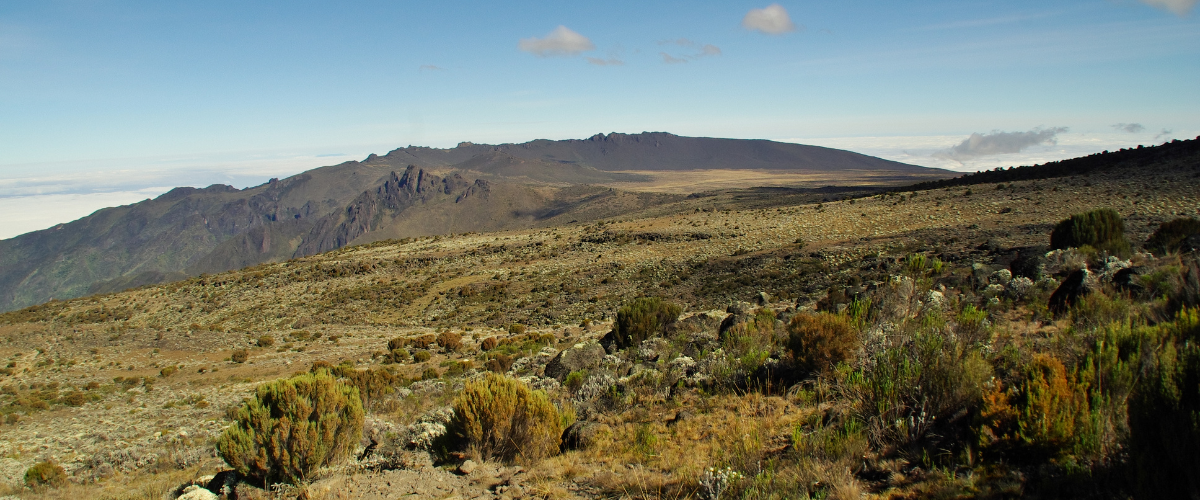
A typical Machame itinerary takes 6 or 7 days. The 6-day itinerary suits climbers working with a tighter schedule, while the 7-day version gives climbers more time to acclimatize and is generally preferable for travellers who want a more gradual experience.
Typical Timeline
- Day 1: Machame Gate to Machame Camp – The adventure begins at Machame Gate. After registration and preparations, the trek enters the lush montane rainforest. The trail gradually climbs toward Machame Camp. This is usually a relatively gentle introduction to the mountain compared with the demanding days ahead.
- Day 2: Machame Camp to Shira Camp – The landscape changes dramatically as you leave the rainforest behind. The trail climbs toward the Shira Plateau, where vegetation becomes shorter and the surroundings more open.
- Day 3: Shira to Barranco – This is an important acclimatization day. You climb higher during the day before descending to Barranco Camp. This type of “climb high, sleep lower” profile can help your body adapt to altitude.
- Day 4: Barranco to Karanga – The famous Barranco Wall provides one of the most memorable sections of the route. Although it looks intimidating, the route does not require technical rock climbing. After negotiating the wall, trekkers continue toward Karanga Camp.
- Day 5: Karanga to Barafu – The trail continues through the alpine desert toward Barafu Camp. Barafu is the main preparation point for the summit attempt.
- Day 6: Summit Day – Most climbers begin the summit attempt around midnight. The climb toward Uhuru Peak is slow and demanding. You ascend through darkness, cold temperatures and increasingly thin air. The final ascent can take several hours. A typical summit push takes roughly 6–8 hours to reach Uhuru Peak, depending on route, conditions and individual pace. After reaching the summit, you descend to a lower camp.
- Day 7: Descent – The final day takes you down through the mountain’s lower vegetation zones toward the exit gate. You can then transfer back to Moshi or continue with another Tanzania experience.
Lemosho Route: 7–8 Days
The Lemosho Route is an excellent choice for travellers who want beautiful scenery and more time for acclimatization. It begins on the western side of Kilimanjaro before joining the southern circuit. A standard Lemosho climb usually takes 7–8 days.
The additional time allows the itinerary to progress more gradually than shorter routes. Climbers who want a similar western approach on a more compact schedule sometimes choose the 6-day Shira Route instead, which shares Lemosho’s early rainforest and plateau scenery in a shorter itinerary.
Typical Timeline
- Days 1–2: Rainforest and Shira Plateau – The first section passes through beautiful forest before reaching the open landscapes of the Shira Plateau. The scenery changes quickly as the altitude increases.
- Day 3: Shira Plateau – Depending on the itinerary, climbers may spend additional time exploring and acclimatizing around the Shira area. This is one of the advantages of choosing a longer itinerary.
- Day 4: Lava Tower and Barranco – One of the most important days involves climbing toward Lava Tower before descending toward Barranco Camp. This creates an excellent opportunity to gain elevation during the day while sleeping lower.
- Days 5–6: Barranco, Karanga and Barafu – The route continues through the high-altitude landscape toward Barafu Camp. The physical demands gradually increase as you approach the summit.
- Day 7: Uhuru Peak – The summit attempt begins during the night. After reaching Uhuru Peak, climbers descend to a lower camp for rest.
- Day 8: Final Descent – The final day is spent descending toward the mountain gate.
For many first-time climbers, the 8-day Lemosho itinerary is particularly attractive because it combines scenery with a relatively gradual acclimatization profile.
Marangu Route: 5–6 Days
The Marangu Route is often known as the “Coca-Cola Route.” It is the only major Kilimanjaro route where climbers sleep in mountain huts rather than tents.
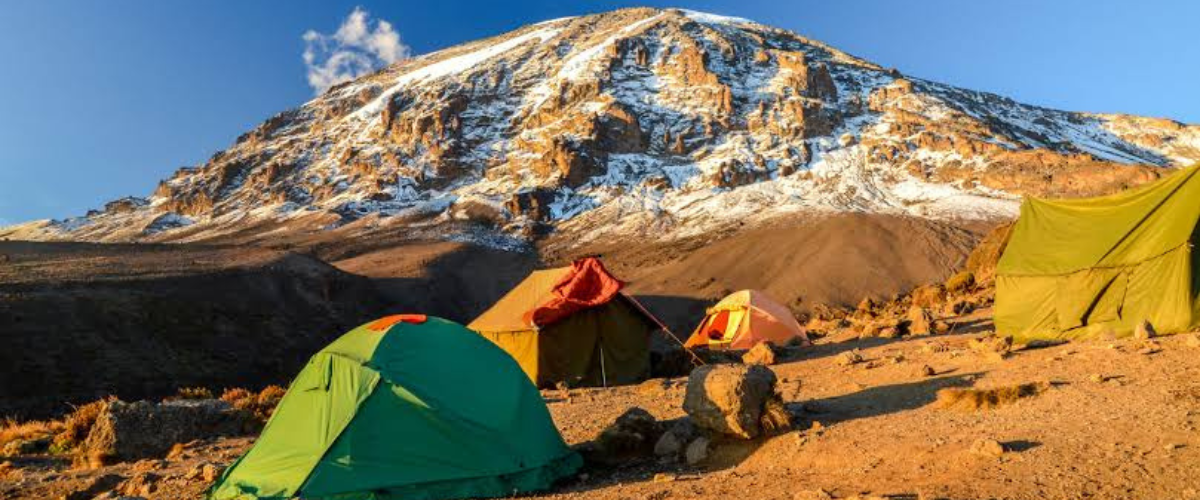
A typical itinerary takes 5 or 6 days. The 5-day itinerary suits climbers on a tighter timeline, while the 6-day option includes additional acclimatization time and is generally a better choice than trying to complete the route as quickly as possible.
Typical Timeline
- Day 1: Marangu Gate to Mandara Hut
- Day 2: Mandara Hut to Horombo Hut
- Day 3: Acclimatization or progression (The longer itinerary can include an acclimatization day around Horombo)
- Day 4: Horombo to Kibo Hut
- Day 5: Summit attempt (Usually begins around midnight)
- Day 6: Descent (Back through the lower zones)
The Marangu Route may be suitable for travellers who prefer hut accommodation, but the shortest itinerary should not automatically be considered the easiest or safest option.
Rongai Route: 6–7 Days
The Rongai Route approaches Kilimanjaro from the northern side, close to the Kenyan border. One of its main attractions is its quieter atmosphere compared with some of the more popular southern approaches.
The route usually takes 6–7 days. The northern side of Kilimanjaro can also experience different weather conditions from the southern slopes, making Rongai an interesting alternative for travellers looking for a different perspective of the mountain.
Typical Timeline
- Rongai Gate to the first camp
- Progression toward Kikelewa
- Acclimatization around Mawenzi
- Trek toward Kibo
- Summit attempt
- Descent toward Horombo
- Final descent through Marangu
The 7-day version provides additional time for acclimatization and is generally preferable if your schedule allows.
Northern Circuit: 9–10 Days
If time is not your biggest limitation, the Northern Circuit Route offers one of the most comprehensive Kilimanjaro experiences. It is the longest major route and typically takes 9–10 days.
The route begins similarly to Lemosho but eventually travels around the quieter northern side of the mountain. Because you spend more time on the mountain, the ascent can be spread over a longer period.
Typical Timeline
- Days 1–2: Western approach and rainforest
- Days 3–4: Shira Plateau and high-altitude landscapes
- Days 5–7: Northern slopes and acclimatization
- Day 8: Approach to the summit area
- Day 9: Summit attempt
- Day 10: Descent
Some itineraries use slightly different schedules, so your exact timeline will depend on your tour operator and itinerary. The Northern Circuit is particularly attractive to travellers who want a quieter route, extensive scenery, and plenty of time to acclimatize.
Umbwe Route: 6–7 Days
The Umbwe Route is known for being steep and demanding. It takes a more direct approach toward the southern circuit and is generally considered more challenging than routes with a gradual ascent.
A typical 6-day itinerary takes around 6–7 days, depending on the operator and itinerary. Umbwe is usually more appropriate for experienced trekkers or people specifically looking for a challenging route rather than travellers simply looking for the quickest way to Uhuru Peak.
For first-time Kilimanjaro climbers, longer and more gradual routes such as Lemosho or the Northern Circuit may be more appealing.
How Long Is Summit Day?
Summit day is completely different from a normal trekking day. While most days involve several hours of walking, the summit attempt can involve a very long period of continuous trekking.
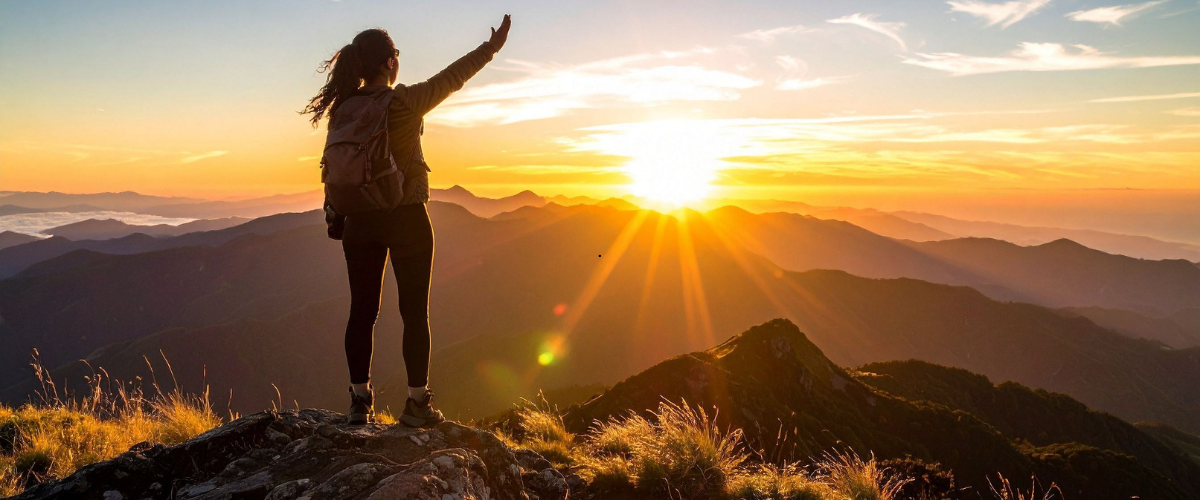
Most groups begin around midnight or shortly afterwards. The objective is to reach the summit around sunrise. The trail becomes increasingly steep as you approach the crater rim. Climbers then continue toward Uhuru Peak, which stands at 5,895 metres.
A typical ascent from the high camp to Uhuru Peak can take approximately 6–8 hours, although the exact time varies considerably. After taking photographs and celebrating the achievement, you begin the descent.
The total summit day can therefore involve many hours of walking, often making it the longest and most physically demanding day of the entire climb. This is one reason why proper preparation and pacing are so important.
Does Fitness Affect How Long the Climb Takes?
Fitness is important, but Kilimanjaro is not primarily a technical climbing challenge. You do not need advanced mountaineering skills for the standard routes. However, you should be comfortable walking for several hours on consecutive days. For a fuller checklist of what to prepare before you go, see our tips for climbers guide.
Training should focus on:
- Long-distance walking
- Uphill hiking
- Stair climbing
- Cardiovascular endurance
- Leg strength and Core strength
- Walking with a backpack
- Consistent weekly activity
It is also important to understand that excellent fitness does not eliminate altitude risk. The CDC notes that physical fitness does not determine whether someone will develop altitude illness. The rate of ascent and individual susceptibility are important factors. This is another reason not to choose your Kilimanjaro itinerary based solely on speed.
What Is the Best Number of Days for Kilimanjaro?
For many travellers, 7–8 days is an excellent target. A 7-day Machame climb can provide a good balance of time and acclimatization. An 8-day Lemosho itinerary offers even more time to adjust while providing spectacular scenery. If you have more time available, the 9–10-day Northern Circuit gives you an even more gradual journey.
If your schedule is very tight, a 5–6-day Marangu itinerary is possible, but shortening the climb comes with less acclimatization time.
In general:
- Best for a first climb: 7–8 days
- Best for maximum acclimatization: 9–10 days
- Best for a shorter itinerary: 5–6 days
- Best balance of scenery and time: 7-day Machame or 8-day Lemosho
- Best for a quieter experience: Rongai or Northern Circuit
Kilimanjaro Climb Duration: At a Glance
The simplest way to compare the routes is:
- 5–6 Days (Marangu): Good for travellers with limited time, but less time is available for acclimatization.
- 6–7 Days (Machame, Rongai and Umbwe): These routes provide different experiences, from the scenic Machame approach to the quieter northern Rongai route and the demanding Umbwe trail.
- 7–8 Days (Lemosho): An excellent choice for travellers who want a gradual itinerary, varied scenery and more time on the mountain.
- 9–10 Days (Northern Circuit): The longest option, offering extensive acclimatization and the opportunity to explore more of Kilimanjaro’s northern slopes.
Why You Should Not Rush Kilimanjaro
It is understandable to want to reduce the number of days because accommodation, park fees, guides and other costs increase with the length of the trip.
However, Kilimanjaro is not a mountain where rushing is necessarily an advantage. Your body needs time to respond to the decreasing oxygen availability. The CDC recommends gradual ascent and additional acclimatization time as sleeping altitude increases.
A longer itinerary can therefore make the journey more comfortable and give you a better opportunity to adapt. The goal should not simply be to reach Uhuru Peak as quickly as possible. The goal is to reach the summit safely, enjoy the journey and return safely.
Plan Your Kilimanjaro Adventure with Africa Paradise Adventures
Choosing the right route is one of the most important decisions you will make when planning a climb of Mount Kilimanjaro. At Africa Paradise Adventures, travellers can plan their Tanzania adventure around the route, duration and experience that best match their schedule and goals.
Whether you are considering the scenic Machame Route, the gradual Lemosho Route, the northern Rongai Route, the hut-based Marangu Route, or the extended Northern Circuit, the right itinerary should give you enough time to enjoy the mountain rather than simply rush toward the summit. You can also combine your Kilimanjaro trek with a Tanzania safari, giving you the opportunity to experience the country’s wildlife and landscapes after your climb.
Final Thoughts: How Long Should You Spend Climbing Kilimanjaro?
The answer is usually between 5 and 10 days, depending on the route. Marangu can be completed in around 5–6 days, while Machame and Rongai commonly take 6–7 days. Lemosho generally takes 7–8 days, and the Northern Circuit can take 9–10 days.
For most first-time climbers, however, a better question is: “Which route gives my body enough time to acclimatize while allowing me to enjoy the mountain?” For many travellers, the answer will be a 7- or 8-day climb. If you have additional time, a 9- or 10-day Northern Circuit itinerary can provide an even more gradual experience. Whichever route you choose, preparation, pacing, professional guidance and responsible acclimatization are essential.