The Great Wildebeest Migration: When, Where, What to Expect, Photography Tips
Your complete guide to the Great Migration. Find the best months. Learn the top locations. Discover what a river crossing looks like. Get simple photography tips for the largest wildlife event on Earth.
Peak Crossings: July–October · Calving Season: January–March · 1.5+ Million Wildebeest
What Is the Great Migration?
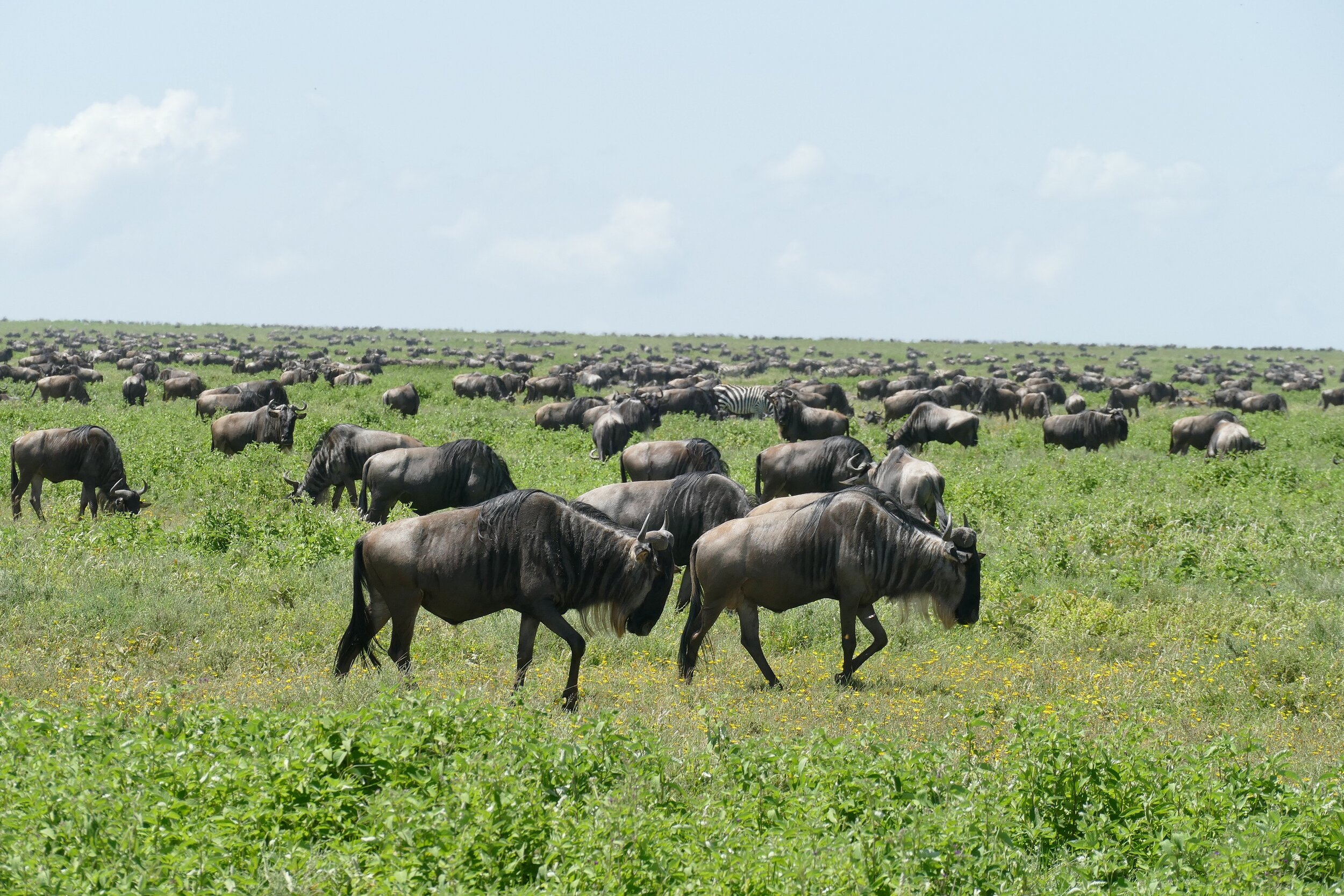
The Great Migration is the largest land migration on Earth. About 1.5 million wildebeest take part. In addition, hundreds of thousands of zebra and gazelle join them.
They travel a huge loop of about 3,000 km. Rainfall and fresh grass drive them. As a result, the herds never really stop moving.
Predators follow the herds closely. Lions, hyenas, crocodiles and vultures create dramatic moments. For many people, a river crossing becomes the highlight of their safari.
Tanzania holds the migration for most of the year. In contrast, the Masai Mara in Kenya mainly sees the herds from July to October. Therefore, timing is very important. Moreover, you can read more about the country in our About Tanzania page. Furthermore, for extra background, check the Wikipedia page on the Great Migration.
Great Migration When: Month-by-Month Calendar
There is no single best month. Instead, it depends on what you want to see. Below is the normal yearly pattern. However, the exact dates can shift by a few weeks each year.
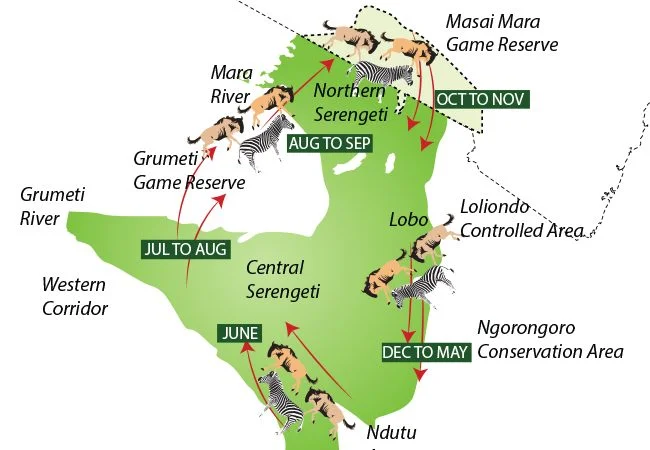
January – March: Calving Season
First, the short rains make the southern plains green. Fresh grass grows quickly. In response, many calves are born in a short time. Sometimes 8,000 calves arrive in one day. Predators gather fast. As a result, you see lots of lion, cheetah and hyena action.
April – May: The Herds Start Moving
Next, the herds begin to move northwest. Some camps close during this time. However, prices are lower. Therefore, this period works well if you accept some rain.
June – July: Western Corridor
Afterwards, the animals gather in the western Serengeti. Grumeti River crossings start. These crossings are smaller than the Mara ones. Still, they look amazing. In addition, the grass stays fairly green.
July – October: Peak River Crossings
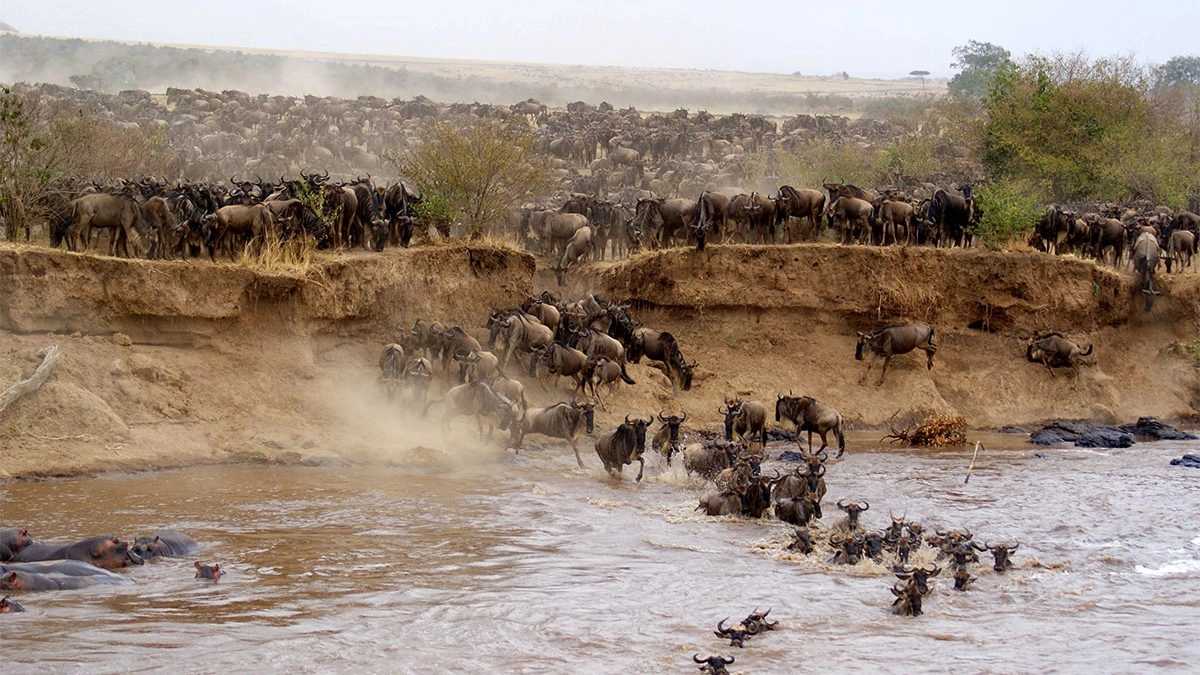
This is the classic Great Migration scene. Wildebeest and zebra stand on the river banks. Then they jump into the water. August usually has the most crossings. Meanwhile, September often has fewer vehicles. Therefore, book northern Serengeti camps early.
November – December: Return South
Finally, the herds move back south through the Serengeti. They complete the big circle. In addition, there are fewer visitors. Moreover, game viewing stays very good.
Where to See the Great Migration
Location is everything. If you are in the wrong area, you may miss the herds. Therefore, choosing the right sector is essential.
Southern Serengeti & Ndutu
This area has open short-grass plains. It is perfect for calving season. In addition, mobile camps follow the herds here.
Central Serengeti
Wildlife lives here all year. It is also a good stop when the herds pass through. Furthermore, big cats are easy to see.
Western Corridor
This area has river woodlands. Crossings happen on the Grumeti River. They are quieter than the northern ones. Moreover, lion numbers are high here too.
Northern Serengeti
This is the best place for Mara River crossings. Camps here fill up first every year. Consequently, it is the heart of the Great Migration Serengeti experience. In addition, you can find official park details on the Tanzania National Parks website.
Masai Mara, Kenya
The herds cross into Kenya in July. They spread across the Mara Reserve. The area is close to the northern Serengeti. Therefore, you can visit it on its own or as an add-on. For example, consider our 3-day Masai Mara private safari if you are in Kenya.
What to Expect on a Migration Safari
A river crossing is rarely quick or neat. Instead, herds often wait on the bank for hours. Sometimes they wait for days. They test the water many times. Then they suddenly rush forward. As a result, crossings can last a few minutes or several hours.
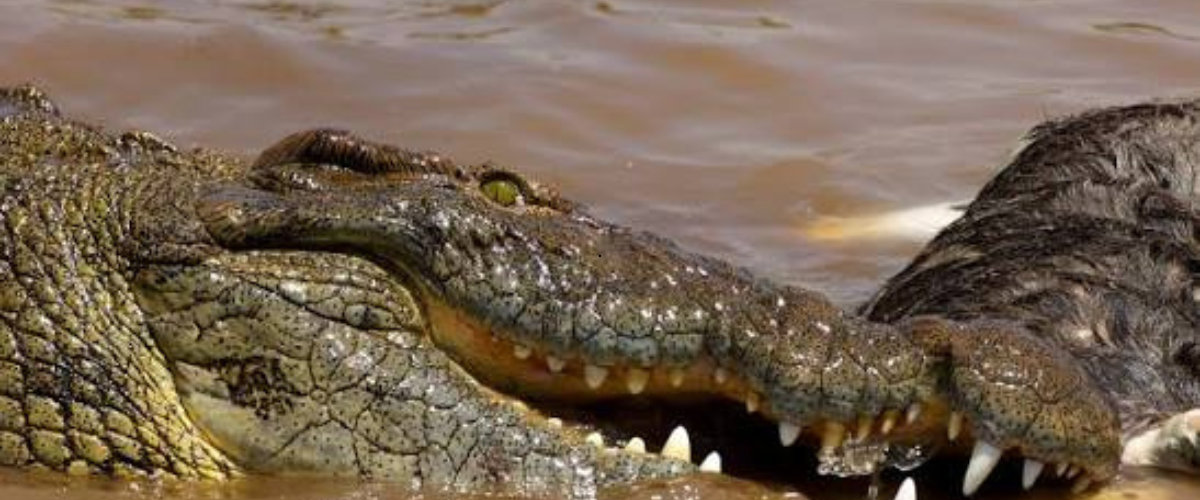
Crocodiles wait in the deep water. Meanwhile, lions and hyenas watch from the banks. In addition, you will also see long lines of animals on the plains. Dust clouds rise high in the air. Moreover, zebra often mix with the wildebeest. Finally, vultures clean up after every kill.
The weather can change fast. Early starts are normal. Long game drives are normal too. Therefore, patient guides make a big difference.
Photography Tips for the Great Migration
The migration is one of the best and hardest subjects to photograph in Africa. However, good preparation helps a lot.
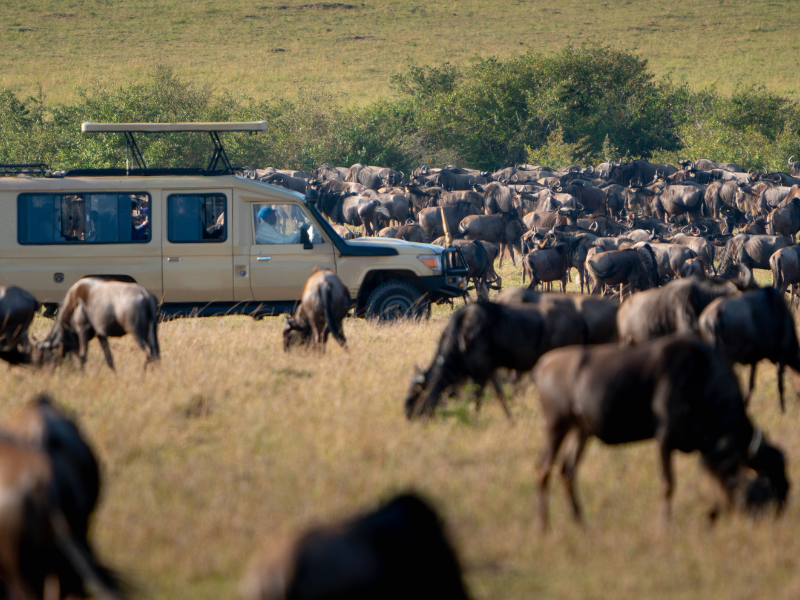
Essential Gear
- First, use a telephoto lens for crossings and predators.
- Next, use a wide-angle lens for big herd shots.
- In addition, choose a camera with fast continuous shooting.
- Moreover, pack extra batteries and memory cards. You will take many photos.
- Finally, bring dust covers and cleaning tools.
Simple Technique Tips
- Shoot in burst mode during crossings. Key moments happen very fast.
- Expose for the bright parts of the scene. You can fix shadows later.
- Focus on the eyes of the lead animals.
- Use a fast shutter speed to freeze the action.
- Include the river and dust in your photos. This adds context.
- Shoot early in the morning or late in the afternoon. The light is softer then.
Never leave the vehicle or push the animals. Good photography keeps the experience safe for everyone. Furthermore, for more ideas, see these National Geographic wildlife photography tips.
Best Migration Safari Itineraries
The right length and location decide your success. Therefore, here are options that work well.

Classic Northern Circuit (7 days)
This is the most popular choice for first-time visitors. It includes Tarangire, Ngorongoro and the Serengeti. In addition, our 7 Days Endless Plain Excursion works well during migration season.
Focused Northern Serengeti Safari
Fly or drive straight to the northern Serengeti. This gives you more time near the river. Moreover, it works best from July to October.
Kenya Options
Many people combine Tanzania with Kenya. Others visit only the Masai Mara. For example, you can start with a 3-day Masai Mara safari. Longer trips include the 7 Days Amboseli, Tsavo & Diani and the 4 Days Amboseli & Tsavo packages.
Finally, see all options on our Safari Package List.
Planning, Costs & Practical Tips
Peak months bring higher prices. They also fill up early. Therefore, book nine to twelve months ahead.
- Budget and mid-range trips usually cost $450–$900 per person per day.
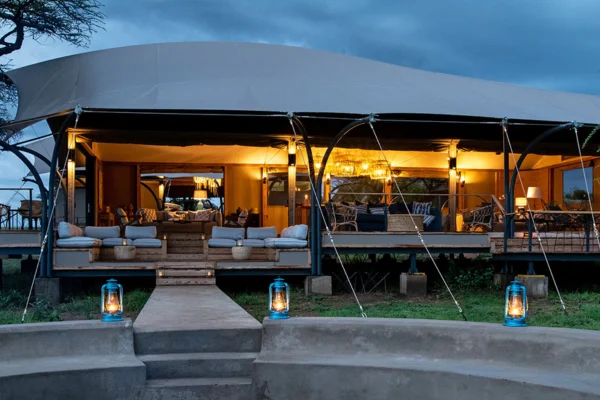
- In addition, luxury camps near the river cost more.
- Moreover, internal flights save time.
- Most prices include park fees, vehicle, guide and meals. However, balloons and tips cost extra.
- Finally, flexible dates help you catch a good crossing.
Ready to book? Visit our Book Now page.
Frequently Asked Questions
When is the best time to see the Great Migration?
For river crossings, go from July to early October. August and September are peak months. In contrast, for calving, go from January to March.
Can I see the migration only in the Serengeti?
Yes. The herds spend most of the year in Tanzania. Therefore, a good Serengeti trip covers calving or the river crossings.
How many days do I need?
Plan at least five or six days in the right area. However, seven to ten days is even better if you want extra parks.
Are river crossings guaranteed?
No. Crossings are not guaranteed. Herds may wait for days. Therefore, good guides and flexible plans improve your chances.
Is the migration only about wildebeest?
Wildebeest make up most of the numbers. However, zebra, gazelle and many predators are also part of the show.
Should I visit both Tanzania and Kenya?
Many people do. A northern Serengeti stay plus the Masai Mara covers both sides. In addition, we can arrange the full trip.
Ready to See the Great Migration?
Do you want a big river crossing? Prefer calving season drama? Or would you like a full Northern Circuit trip? Africa Paradise Adventures creates guided migration safaris for every style.
Tell us your preferred month and group size. Then we will build the right itinerary around the herds.