
Serengeti National Park Safari: Wildlife, Lodges, Game Drives, Costs.
Everything you need to plan a Serengeti safari in 2026—wildlife highlights, best zones by season, lodge types, game-drive strategies, realistic costs, and how to combine the park with the Northern Circuit.
14,750 km² of wilderness · Home of the Great Migration · Year-round Big Five potential
Why the Serengeti Remains Africa’s Crown Jewel
Serengeti National Park protects 14,750 square kilometres of savanna, woodland, and riverine habitat in northern Tanzania. Moreover, it is the heart of the Serengeti–Mara ecosystem and the stage for the Great Migration—the largest terrestrial mammal migration on Earth.
Beyond the migration, the park holds one of Africa’s strongest populations of lions, healthy numbers of elephants and buffalo, excellent leopard habitat, and the full suite of plains game. In addition, combined with neighbouring Ngorongoro and Tarangire, it forms the classic Northern Circuit that most first-time visitors to Tanzania experience. For a broader view of the country, see our about Tanzania page.
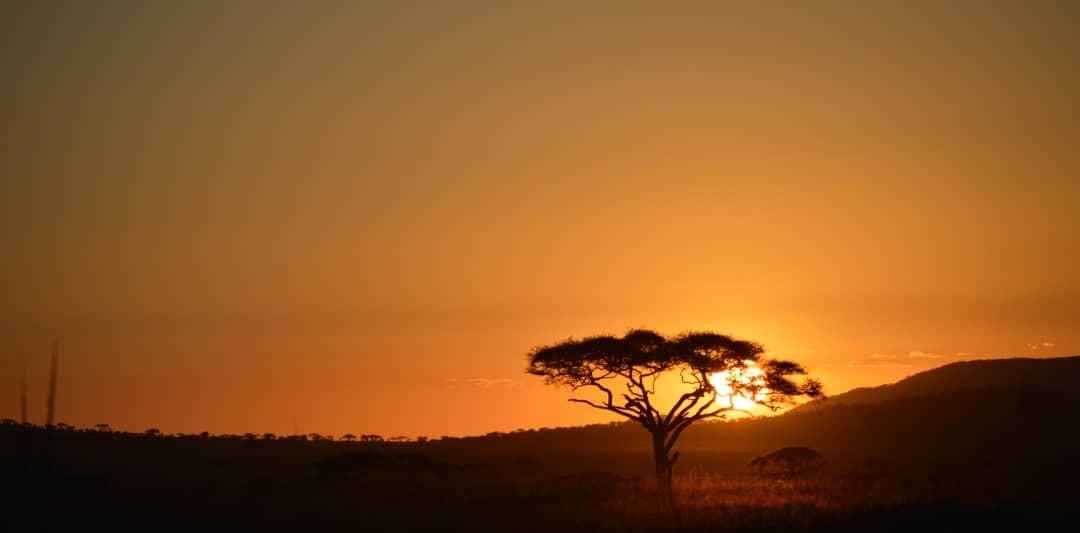
The name “Serengeti” comes from a Maasai word meaning “endless plains.” Consequently, standing on those plains at golden hour, with herds stretching to the horizon, remains one of the most powerful wildlife experiences available anywhere.
Serengeti Wildlife Highlights
The Great Migration
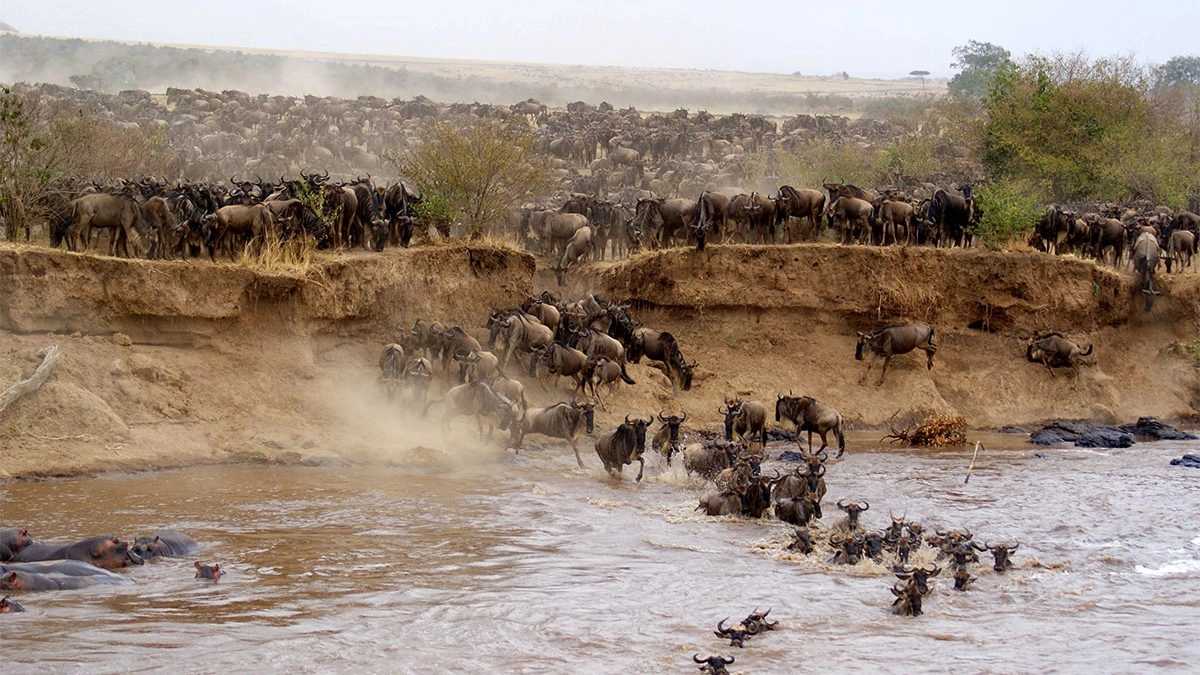
Approximately 1.5 million wildebeest, hundreds of thousands of zebra, and large numbers of Thomson’s and Grant’s gazelle move in a continuous cycle through the ecosystem. Specifically, key phases include calving on the southern plains (January–March), Grumeti crossings in the west (June–July), and the famous Mara River crossings in the north (July–October).
Big Cats
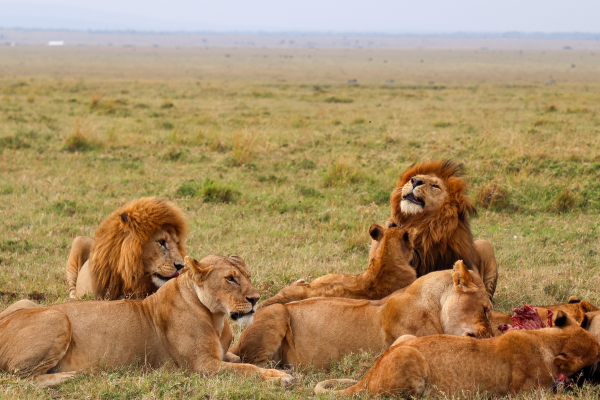
The Serengeti supports more than 3,000 lions—one of the densest populations in Africa. Meanwhile, cheetahs thrive on the open plains, especially in the south and east. In contrast, leopards are present but elusive; riverine woodland and rocky outcrops offer the best chances. Furthermore, hyenas are abundant and frequently seen at kills.
Elephants, Buffalo & Other Large Mammals
Elephant numbers have recovered strongly; herds are regular near water and during migration river crossings. In addition, buffalo form large herds, especially in the central and western sectors. Likewise, giraffe, topi, hartebeest, warthog, and both species of zebra complete the classic savanna cast.
Birdlife
Over 500 bird species have been recorded. As a result, dry-season concentrations around water and the green-season influx of migrants both reward birders. Moreover, raptors, ground hornbills, secretary birds, and colourful bee-eaters are reliable highlights.
Park Zones and When to Visit Each
The Serengeti is large. Therefore, matching your camps to the current location of the herds dramatically improves the experience.
Southern Plains & Ndutu (including border areas)
Best: December–March.
Short-grass plains host the calving season. Consequently, predator density is exceptional. In addition, many mobile and permanent camps operate here in the green and short-dry windows.
Central Serengeti (Seronera)
Best: Year-round base.
Permanent water and varied habitat support strong resident populations of lion, leopard, elephant, and buffalo. As a result, this zone is ideal when the migration is elsewhere or as a reliable hub.
Western Corridor (Grumeti)
Best: May–July.
Herds move through and cross the Grumeti River. Meanwhile, dramatic crocodile action and fewer vehicles than the northern crossing points appear in peak season.
Northern Serengeti (Kogatende, Lamai, Mara River)
Best: July–October.
The stage for the Mara River crossings. Therefore, highest demand and highest rates apply; book early. Nevertheless, the experience remains outstanding when the herds are present.
Game Drives and Other Activities
The core experience is the game drive in an open-sided 4×4. Consequently, most itineraries include early-morning and late-afternoon drives when animals are most active and light is best for photography.
Typical Daily Rhythm
- Early morning: 6:00–12:00 — cooler temperatures, predator activity, soft light.
- Afternoon: 15:30–18:30 — animals re-emerge, golden-hour photography.
- Optional night drives: Available in certain areas and private concessions; excellent for nocturnal species and leopard.
Additional Options
- Hot-air balloon safari: Dawn flight over the plains followed by a bush breakfast. Iconic and worth the premium for many travellers.
- Walking safaris: Offered in select zones and concessions with armed guides; a different scale of experience.
- Cultural visits: Nearby Maasai communities can be visited on some itineraries (always with respect and proper operators).
Furthermore, professional guides with radio networks and deep local knowledge significantly increase the quality of sightings, especially for leopard and specific migration movements.
Lodges and Camps: What to Expect
Accommodation ranges from public campsites to ultra-luxury private camps. Importantly, location relative to the herds matters more than star rating for wildlife viewing.
Budget / Camping
Public or special campsites inside the park. Shared facilities, basic or mobile tents, cooked meals. Consequently, this option offers the lowest cost and an authentic atmosphere. It is best for experienced travellers comfortable with simpler conditions.
Mid-Range Tented Camps & Lodges
En-suite tents or rooms, full board, reliable guides, and good positioning. Therefore, properties such as those in the Seronera area or well-placed mobile camps offer the strongest value for most first-time visitors.
Luxury & Ultra-Luxury
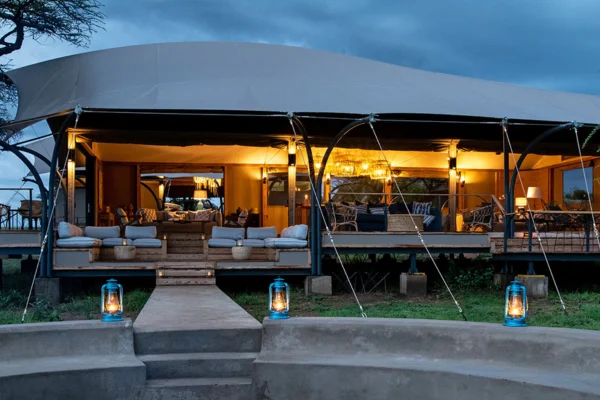
High-end tented camps and lodges with private decks, excellent food and wine, low vehicle densities, and often exclusive use of private concessions or prime river frontage. As a result, this tier carries the highest cost and the highest level of service and exclusivity.
When booking, prioritise zone and season first, then choose the comfort level that fits your budget. In short, a mid-range camp in the right place during migration will outperform a luxury lodge far from the action. Explore current options on our safari package list.
2026 Serengeti Safari Costs
Costs vary widely by season, group size, accommodation tier, and whether you fly or drive. Nevertheless, park fees are fixed and form a meaningful part of every budget.
Park Fees (Approximate 2026 Non-Resident Rates)
- Adult entry: roughly $80–$85 per person per 24 hours (including VAT).
- Child (5–15): substantially lower; under 5 free.
- Vehicle and concession fees may apply depending on lodging location.
Daily Rate Ranges (Per Person, Sharing, Peak Season)
| Tier | Approx. Daily Rate | What You Get |
|---|---|---|
| Budget / Camping | $250–$400 | Public or basic campsites, shared drives, simple meals |
| Mid-Range | $450–$800 | Tented camps or lodges, private or small-group vehicle, full board |
| Luxury | $850–$1,500+ | High-end camps, excellent guiding, often fly-in, premium service |
A realistic 5–7 day Serengeti-focused itinerary (or Northern Circuit including Serengeti) typically falls in the $2,000–$6,000+ per person range for mid-range private travel, excluding international flights. Meanwhile, luxury fly-in migration itineraries can exceed $10,000–$15,000 per person.
Always confirm what is included: park fees, vehicle, guide, meals, transfers, and internal flights. In addition, tips, drinks, balloon safaris, and travel insurance are usually extra.
Sample Serengeti-Focused Itineraries
3–4 Days – Central or Seasonal Focus
Ideal as part of a longer Northern Circuit or for travellers short on time. Consequently, base in Seronera for reliable resident game, or in the north/south according to migration timing. Furthermore, fly-in options maximise park time.
5–7 Days – Classic Serengeti Experience
Allows time to follow the herds or combine two zones (e.g., north for crossings + central for resident cats). As a result, this duration offers a comfortable pace with multiple full game-drive days.
7–10+ Days – Migration or Multi-Zone
Best for serious migration followers or photographers. Therefore, move camps with the herds or combine Serengeti with Ngorongoro and Tarangire for the full Northern Circuit picture. Full Tanzania options appear on our Tanzania safari page; Kenya combinations are available via our Kenya safari offerings.
Linking Serengeti to the Northern Circuit
Most travellers combine Serengeti with:
- Ngorongoro Crater — highest Big Five density in a single day; dramatic setting.
- Tarangire — outstanding dry-season elephants and baobab landscapes.
- Lake Manyara — tree-climbing lions, birds, and rift-valley scenery (often a shorter stop).
A well-designed 7–10 day Northern Circuit itinerary balances the migration (or resident game) in Serengeti with the crater’s density and Tarangire’s elephants. Moreover, internal flights save long road days when time is limited.
For migration-focused travel, see also our month-by-month best-time guide and migration calendar resources.
Practical Planning Tips
- Book early for July–September northern camps and festive periods.
- Choose zone by season — the single most important decision after budget.
- Fly vs drive — flights from Arusha to Seronera or Kogatende save a full day of travel on shorter trips.
- Guide quality — prioritise operators with experienced, radio-linked guides.
- Packing — neutral colours, layers for cool mornings, sun protection, binoculars, and a camera with telephoto capability.
- Health — consult a travel clinic regarding malaria prophylaxis and required vaccinations.
For personalised planning help, contact us.
Frequently Asked Questions
How many days do I need in the Serengeti?
Three full days is a practical minimum. However, five to seven days allows better coverage of zones and more relaxed game viewing. Furthermore, longer stays improve odds for specific goals such as river crossings or leopard.
Can I see the Big Five in the Serengeti?
Lion, elephant, buffalo, and leopard are realistic. In contrast, black rhino numbers are very low; most rhino sightings occur in Ngorongoro Crater. Therefore, combining both parks gives the strongest overall Big Five probability.
Is the Serengeti crowded?
Popular crossing points in August can have high vehicle density. Nevertheless, central and less-visited zones, shoulder months, and private concessions remain quieter. In addition, guide positioning and timing make a large difference.
What is the best time to visit the Serengeti?
July–September for river crossings and classic dry-season viewing; January–February for calving and predator action. Meanwhile, the park is rewarding in every month for travellers who match location to the season.
Do I need a private vehicle?
Private vehicles offer flexibility and better photography opportunities. Alternatively, shared group departures are more economical. Overall, most mid-range and luxury itineraries use private or small-group vehicles.
How do I get to the Serengeti?
Most visitors fly into Kilimanjaro International (JRO) or Arusha, then continue by road (6–8 hours) or light aircraft (1 hour) to airstrips inside the park (Seronera, Kogatende, etc.).
Ready for the Serengeti? Book Your Safari
Whether you want river crossings, calving season, or a classic Northern Circuit combination, Africa Paradise Adventures builds itineraries around the right zone, the right season, and the right comfort level. Expert guides, transparent pricing, and camps positioned for wildlife await.