
Why Tanzania Is the Best Safari Destination in Africa
Tanzania is home to the Serengeti, the Ngorongoro Crater, and the world’s greatest terrestrial wildlife spectacle—the Great Migration. For first-time safari travellers and seasoned wildlife enthusiasts alike, it delivers unmatched density of animals, classic East African landscapes, and a realistic chance of seeing the Big Five.
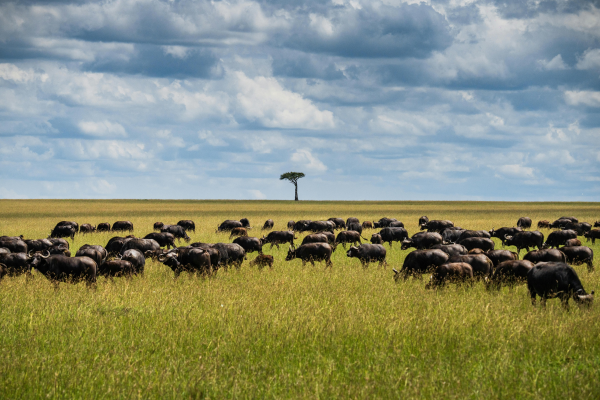
Unlike some destinations that require long internal flights between parks, the Northern Circuit links Tarangire, Lake Manyara, the Serengeti and Ngorongoro with manageable road transfers. This makes it ideal for 5–7 day trips. Southern parks such as Ruaha and Nyerere offer greater solitude for return visitors.
Learn more about the country’s geography, culture and conservation areas in our About Tanzania resource.
Whether you want dramatic river crossings, newborn wildebeest on the southern plains, or year-round Big Five viewing inside the Ngorongoro Crater, Tanzania has a season and itinerary that matches your goals.
Best National Parks for a Tanzania Safari in 2026
Most first-time visitors focus on the Northern Circuit. Here is what each major park delivers:
Serengeti National Park – The Endless Plains
At 14,750 km², the Serengeti is Tanzania’s flagship park and a UNESCO World Heritage Site. It hosts the year-round Great Migration of roughly 1.5 million wildebeest plus hundreds of thousands of zebra and gazelle. Lion densities are among the highest in Africa, leopards favour the riverine woodlands, and cheetahs hunt the open plains.
Best for: Great Migration, big cats, classic savanna photography.
Minimum nights: 2–3 for a meaningful experience.
Ngorongoro Crater – The Natural Amphitheatre
This 260 km² collapsed caldera contains one of the densest concentrations of large mammals on Earth. Approximately 25,000 animals live permanently on the crater floor. It is the most reliable place in Tanzania to see black rhino, and lions, elephants, buffalo and flamingos are virtually guaranteed.
Best for: Big Five in a single day, black rhino, dramatic scenery.
Minimum nights: 1 full day inside the crater.
Tarangire National Park – Elephant Stronghold
Famous for its ancient baobabs and huge dry-season elephant herds (often 200–300 animals along the Tarangire River). Lions, leopards, buffalo and a rich birdlife complete the picture. Tarangire is quieter than the Serengeti and offers excellent value.
Best for: Elephants, baobab landscapes, fewer vehicles.
Best season: June–October.
Lake Manyara National Park – Tree-Climbing Lions & Flamingos
A compact park framed by the Rift Valley escarpment. Groundwater forests, a soda lake that attracts flamingos, and the famous (though not guaranteed) tree-climbing lions make it a popular short stop between Arusha and the highlands.
Best for: Scenic diversity, birding, easy logistics.
Typical stay: Half to full day.
Best Time to Visit Tanzania for Safari in 2026
Tanzania is a year-round destination, but the character of the safari changes dramatically with the seasons.
Dry Season (June–October) – Classic Game Viewing
- Animals concentrate around remaining water sources.
- Vegetation is short, visibility is excellent.
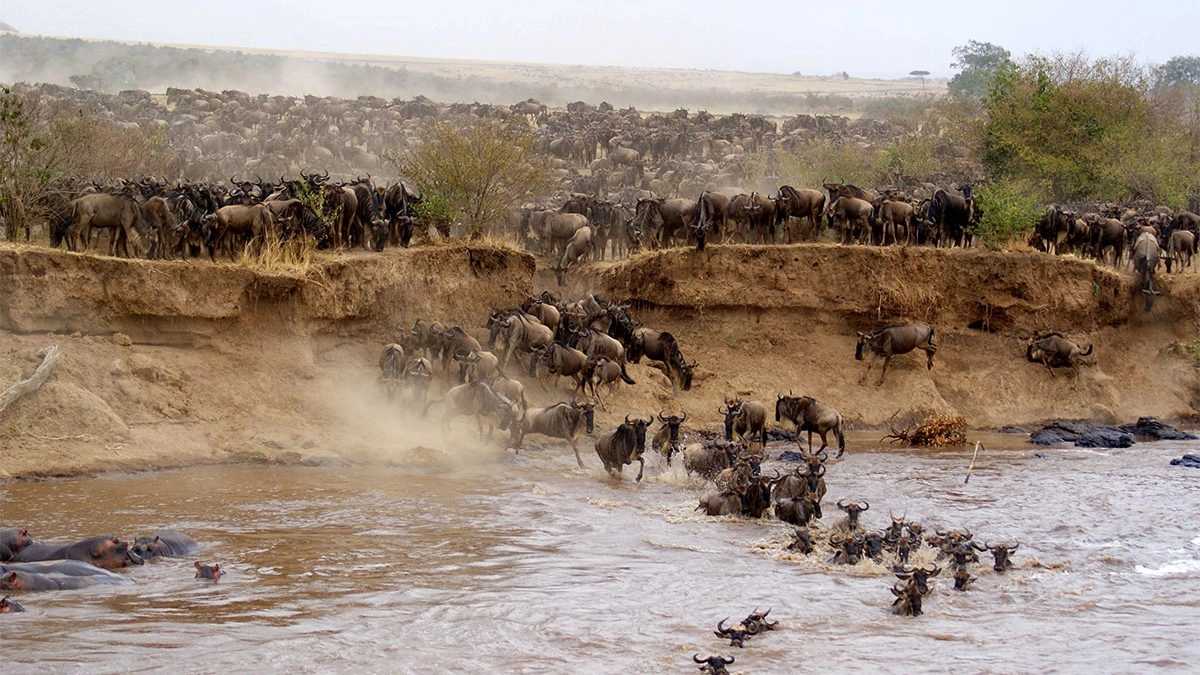
- Mara River crossings peak July–September in the northern Serengeti.
- Tarangire’s elephant herds reach maximum density.
- Highest demand and highest prices—book 9–12 months ahead for northern Serengeti camps.
Calving / Green Season (January–March)
- Hundreds of thousands of wildebeest calves are born on the southern Serengeti and Ndutu plains.
- Predator action is intense as lions, cheetahs and hyenas take advantage of vulnerable newborns.
- Lush green landscapes and dramatic skies for photography.
- Fewer crowds and often lower rates than peak dry season.
Shoulder & Green Months
November and early December offer good value as the short rains begin and herds move south. April–May (long rains) sees the fewest visitors and lowest prices, but some roads become difficult and certain remote camps close. Ngorongoro Crater remains excellent year-round.
Guide consensus for 2026: September often delivers the best overall balance of crossing-season wildlife, manageable crowds and dry-season conditions. February is the standout month for pure predator-prey drama on the southern plains.
The Great Migration: Where and When to See It
The Great Migration is a continuous clockwise circuit of roughly 3,000 km driven by rainfall and fresh grass. Key stages in Tanzania:
- December–March: Southern Serengeti & Ndutu – calving season (peak mid-January to February).
- April–May: Herds move northwest through the central and western Serengeti.
- June–July: Grumeti River crossings in the western corridor.
- July–October: Northern Serengeti (Kogatende, Lamai) – Mara River crossings peak in August, continue strongly into September.
- November: Herds begin moving south again through the eastern and central plains.
Exact timing shifts by 2–4 weeks depending on rainfall. Flexible itineraries and mobile camps give the best chance of being in the right place at the right time.
Wildlife You Can Expect to See
Beyond the Migration herds, Tanzania’s parks support exceptional populations of:
- Lions – Especially strong in Serengeti and Ngorongoro.
- Leopards – Best in riverine areas of the Serengeti and Tarangire (patience required).
- Elephants – Spectacular dry-season concentrations in Tarangire; good numbers elsewhere.
- Buffalo – Large herds in Serengeti, Ngorongoro and Tarangire.
- Black Rhino – Rare; Ngorongoro Crater offers the best realistic chance.
- Cheetah, hyena, wild dog, giraffe, zebra, gazelle, hippo, crocodile and over 500 bird species.
A well-planned 5–7 day Northern Circuit safari gives a strong probability of seeing four of the Big Five and a realistic (though never guaranteed) chance of the fifth.
Sample Tanzania Safari Itineraries for 2026
Here are proven itineraries that match different timeframes and budgets. All can be customized by Africa Paradise Adventures.

3 Days – Northern Tanzania Highlights
Ideal for travellers short on time. Covers Lake Manyara, Ngorongoro Crater and Tarangire. Excellent introduction to the Big Five and classic landscapes.
View the 3 Days Northern Tanzania Safari →
4 Days – Faru Epic Safari
Focused on Tarangire’s elephants and a full day in Ngorongoro Crater. Perfect short safari with strong wildlife density and fewer transfer hours.
View the 4 Days Faru Epic Safari →
6 Days – Panthera Tour
The classic Northern Circuit: Lake Manyara, Serengeti (with game drives), Ngorongoro Crater and Tarangire. Balanced pace with two full days of Serengeti exploration.
View the 6 Days Panthera Tour →
7 Days – Endless Plain Excursion
Our recommended first-timer itinerary. Extra time in the Serengeti plus Lake Manyara, Ngorongoro and Tarangire. Enough days to absorb the scale of the plains and improve odds of key sightings.
2026 Safari Costs & What Affects the Price
Prices vary widely by season, accommodation level and group size. As a realistic guide for 2026 (per person, sharing, excluding international flights):

| Style | Daily Range | 5–7 Day Total (approx.) |
|---|---|---|
| Budget / Camping | $350–$550 | $1,800–$3,500 |
| Mid-range Lodges & Tented Camps | $550–$950 | $3,000–$6,000 |
| Luxury | $1,000–$2,500+ | $6,000–$15,000+ |
Park fees, vehicle, guide, full-board accommodation and most activities are normally included. International flights, visas, travel insurance, tips and optional extras (balloon safari, night drives) are additional.
Booking 6–12 months ahead secures the best camps and guides, especially for July–September and the January–February calving window.
Practical Planning Tips for Your 2026 Safari
- Entry point: Most Northern Circuit safaris start from Kilimanjaro International Airport (JRO) or Arusha.
- Visa: Most nationalities can obtain an e-visa or visa on arrival. Check current requirements well in advance.
- Health: Yellow-fever certificate may be required depending on your itinerary. Malaria prophylaxis is recommended. Consult a travel clinic.
- What to pack: Neutral-coloured clothing, wide-brim hat, binoculars, camera with telephoto lens, lightweight layers for cool crater mornings, and a reusable water bottle.
- Photography: Early morning and late afternoon light is best. Dust is constant—protect your gear.
- Responsible travel: Choose operators who support local communities and conservation. Maintain respectful distances from wildlife and follow guide instructions at all times.
Frequently Asked Questions – Tanzania Safari 2026
What is the best time for a Tanzania safari in 2026?
June–October for classic dry-season viewing and Mara River crossings; January–February for calving season drama on the southern plains. September often offers the best overall balance.
How many days do I need for a good first safari?
5–7 days on the Northern Circuit is the sweet spot. Three or four days can work for a focused trip, but you will spend a higher proportion of time transferring.
Can I see the Big Five in Tanzania?
Yes. Lions, elephants, buffalo and leopards are regularly seen. Black rhino is the rarest; Ngorongoro Crater gives the best realistic chance.
Is Tanzania safe for tourists?
The main safari parks are well-managed and considered safe. Standard travel precautions apply in towns. Thousands of international visitors enjoy trouble-free safaris every year.
Should I book a private or group safari?
Private vehicles offer flexibility and better photography opportunities. Small-group joining safaris are more economical. Africa Paradise Adventures can arrange both.
Do I need to book far in advance?
Yes for peak months (July–September and the Christmas/New Year period). 9–12 months is ideal for the best camps. Shoulder seasons can be booked closer to departure.
Ready to Plan Your Tanzania Safari?
Whether you have three days or a full week, Africa Paradise Adventures designs authentic Northern Circuit safaris with experienced guides, comfortable vehicles and transparent pricing. From the intimate 3-day highlights to the comprehensive 7-day Endless Plain Excursion, we have an itinerary that fits your timeline and dreams.
Tell us your preferred dates, group size and interests—we’ll build the perfect Tanzania safari for 2026.