Why Timing Matters More in Tanzania Than Almost Anywhere Else
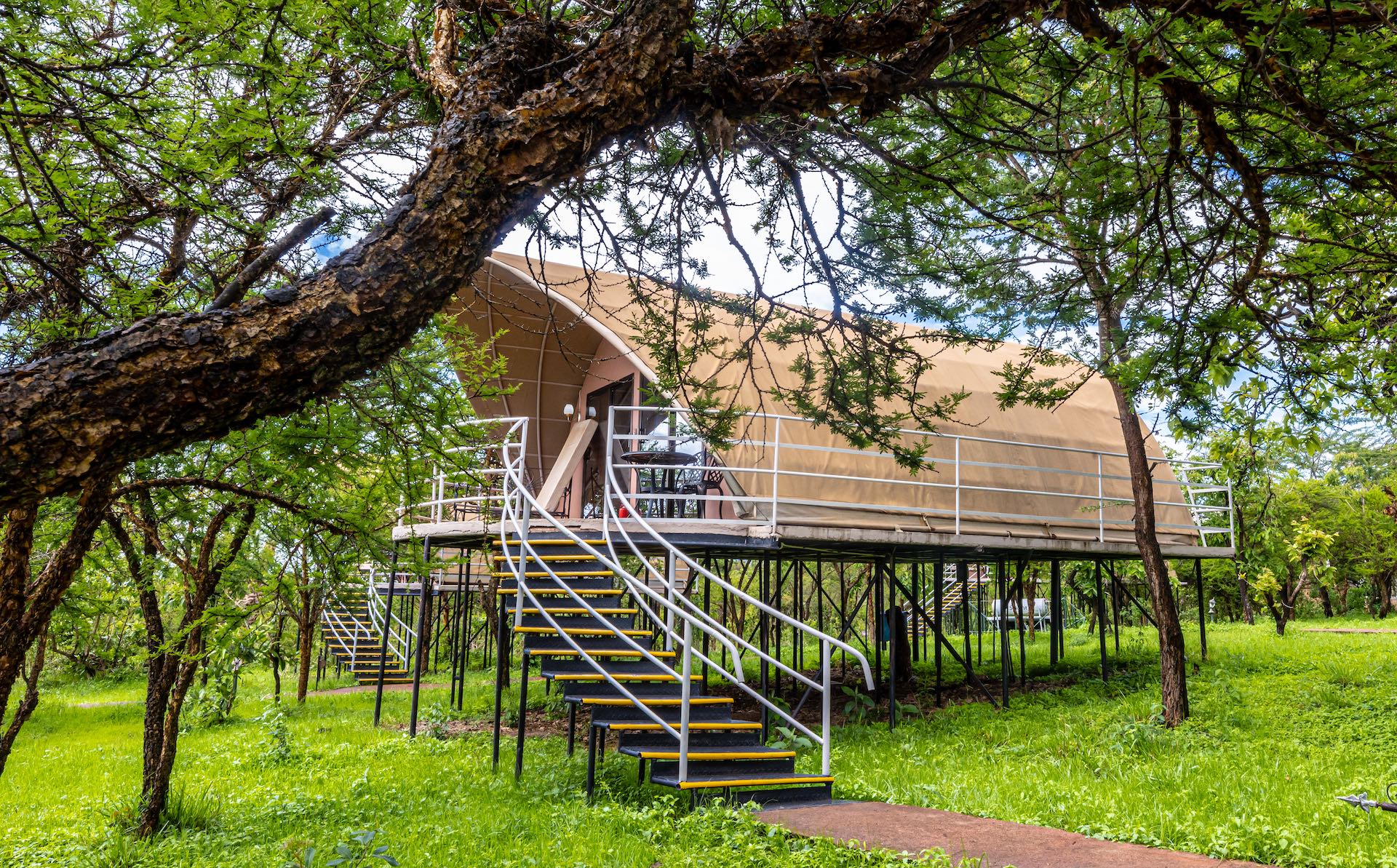
A Tanzania safari isn’t like booking a beach resort. The best camps have a fixed, often tiny number of beds — sometimes fewer than 20 — inside national parks and conservation areas where new construction is heavily restricted. When those beds are gone, they’re gone, no matter your budget.
That single fact drives almost everything else in this guide. Unlike a city hotel that can always add a room or drop its rate to fill one, a 12-tent camp on a prime stretch of the Serengeti simply sells out — often six to twelve months before the actual travel date during peak season. Waiting doesn’t just risk a higher price. It risks a fundamentally different, less desirable trip: a further-out camp, a less experienced guide, or a compromised itinerary built around whatever is still available rather than what you actually wanted.
Below are ten concrete benefits of booking your Tanzania safari early, followed by a realistic timeline for exactly when to pull the trigger.
1. Early Bird Discounts of 15–20%
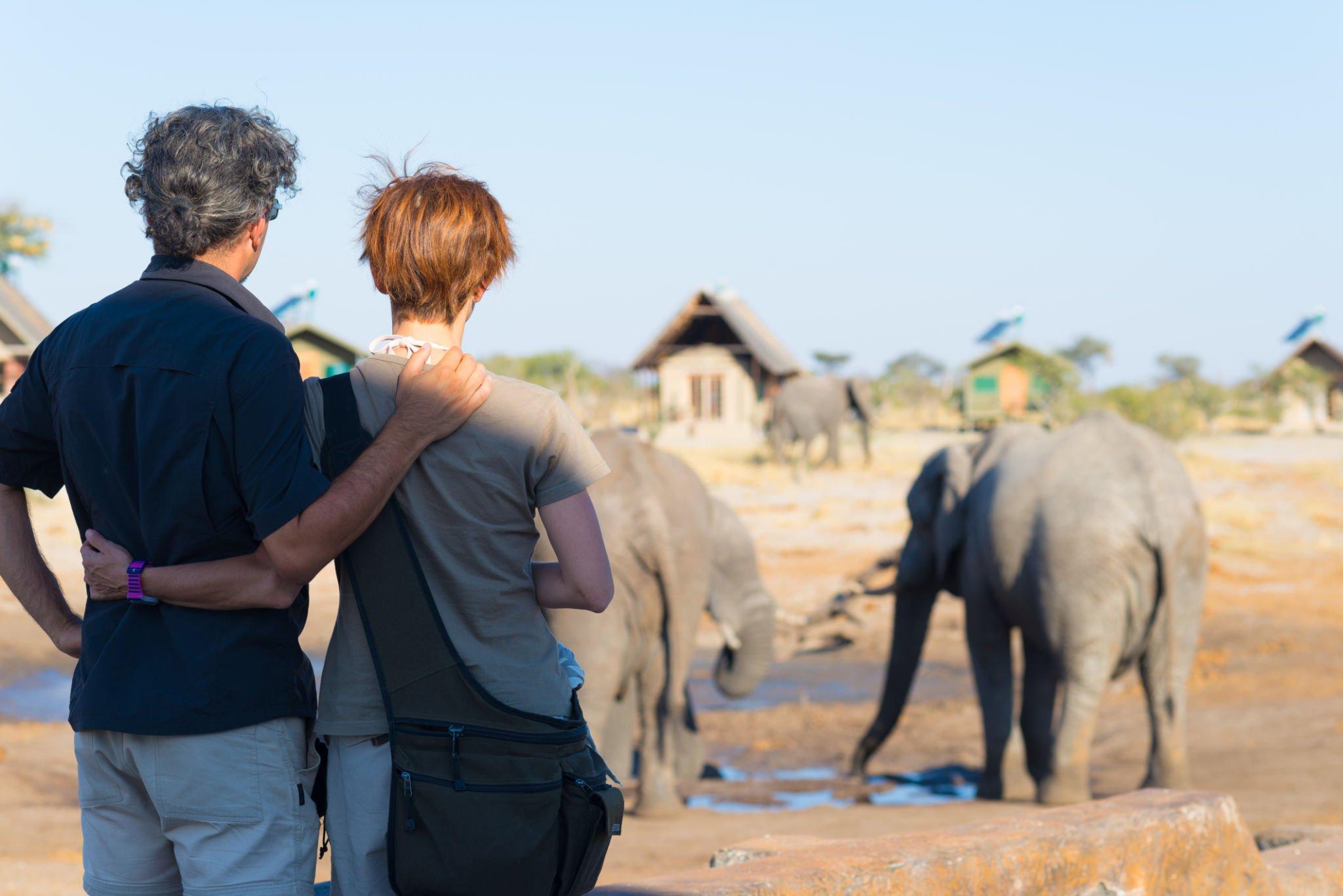
Most reputable operators and camps offer meaningful early booking discounts — commonly in the 15–20% range off standard rates — for travelers who confirm well ahead of their travel dates. On a mid-range or luxury safari running several thousand dollars, that discount alone can cover flights, a park fee upgrade, or an extra night on the trip.
These promotions typically apply broadly across safari types, including Serengeti National Park tours, Ngorongoro Crater safaris, Tarangire excursions, and Lake Manyara wildlife adventures — so the savings aren’t limited to a single park or itinerary style.
2. First Access to the Best Camps and Lodges
Tanzania’s most sought-after properties — the ones positioned directly on migration routes or with the shortest transfer to prime game-viewing areas — typically operate with a small, fixed number of tents or rooms. These fill first, and they fill from the top of the booking calendar down. Early booking is often the only way to secure them at all, regardless of price.
3. Guaranteed Availability During Peak Season
Tanzania’s peak safari windows — July–August (dry season, Serengeti river crossings) and December–February (calving season) — see the heaviest demand of the year. Camps in these windows commonly reach full occupancy six months to a year in advance. Booking early is less about getting a discount here and more about getting a trip at all.
4. First Pick of Your Preferred Travel Dates
Beyond season, specific dates matter — a milestone birthday, an anniversary, a school holiday window, or simply the days your whole travel party can actually get free. The earlier you book, the more control you have over the exact dates rather than being pushed into whatever remains open.
5. Access to the Most Experienced Guides
The strongest driver-guides — the ones with a decade or more of field experience, sharp animal-behavior instincts, and reputations that keep repeat clients coming back — are also the most requested. Top operators often assign guides on a first-booked basis, particularly for private or small-group departures.
6. More Time to Customize Your Itinerary
A rushed, last-minute booking usually means accepting a fixed, pre-built itinerary. Booking months ahead gives your operator time to actually design your trip around your priorities — whether that’s a Big Five focus, a Great Migration timing strategy, a family-friendly pace, or a specific combination of parks and conservation areas.
7. Better International and Domestic Flight Prices
Flights into Kilimanjaro International Airport (JRO) or Julius Nyerere International Airport (DAR), along with the domestic bush flights that connect remote camps, both tend to rise in price as departure approaches — and seats on the smaller domestic aircraft used for safari transfers are genuinely limited. Booking your safari early lets you lock in flights early too.
8. Time to Prepare Properly
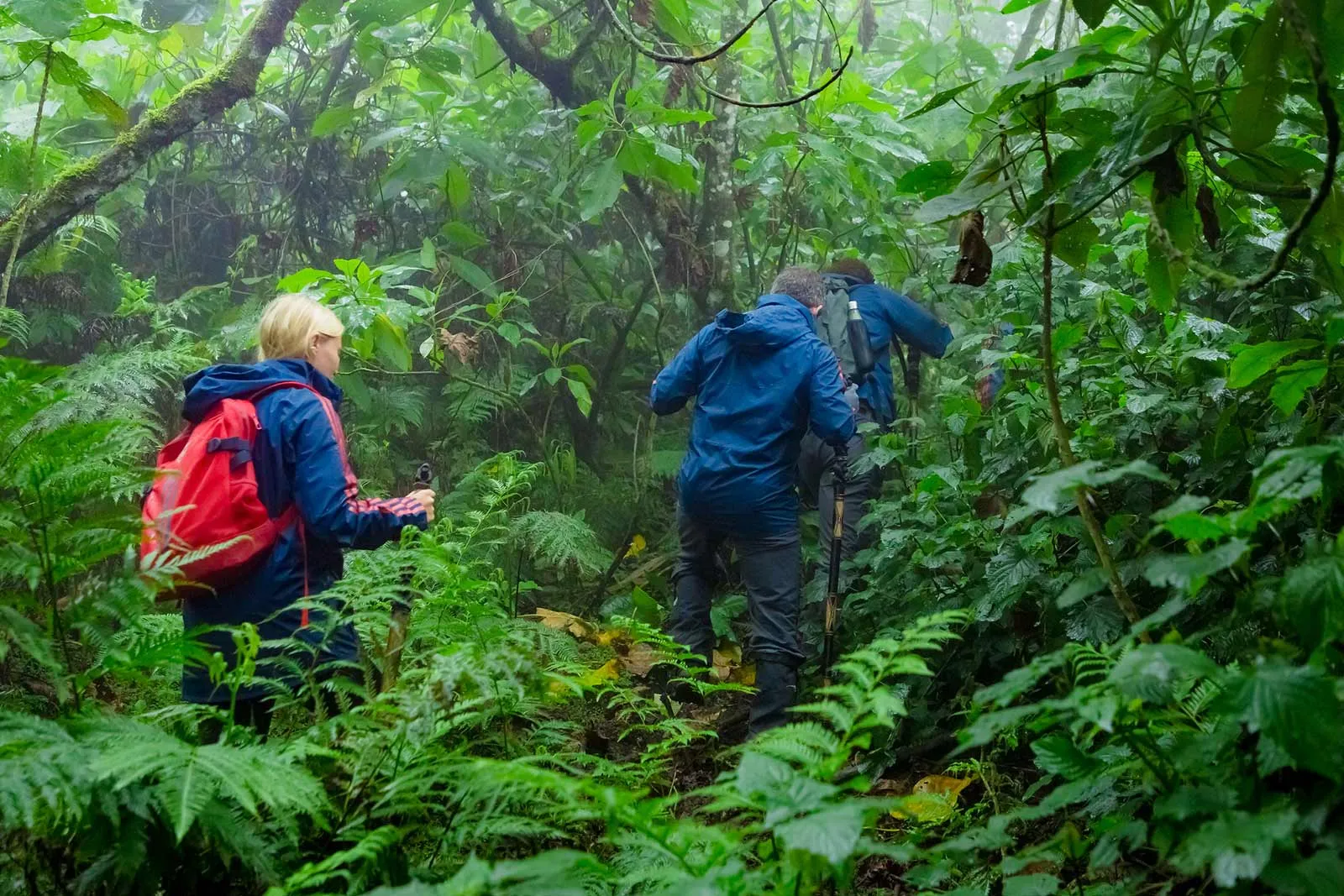
A safari has real logistical prep behind it: visa applications, yellow fever and other recommended vaccinations, travel insurance, and physical preparation if your trip includes any trekking. Booking early builds in the runway to handle all of this calmly, rather than scrambling through a compressed pre-departure checklist.
9. Flexible Payment Plans and Easier Budgeting
Most operators structure payment in stages — a deposit to secure the booking, with the balance due closer to departure. Booking early spreads that cost over a longer window, which is meaningfully easier on a budget than a single large payment due weeks before you fly.
10. Genuine Peace of Mind
Beyond the practical savings, there’s a real psychological benefit to having a big trip locked in months ahead: something to look forward to, a firm plan to build the rest of your year around, and none of the last-minute stress of wondering whether your ideal camps, dates, or guide will still be available.

How Far in Advance Should You Book a Tanzania Safari?
The honest answer depends on season and trip type — here’s a realistic breakdown.
| Travel Window | Recommended Booking Lead Time | Why |
|---|---|---|
| Peak season (Jul–Aug, Dec–Feb) | 9–12 months ahead | Highest demand of the year; top camps and guides sell out first. |
| Shoulder season (Jun, Sep–Oct, Nov, Jan) | 5–8 months ahead | Still strong demand, more flexibility, better odds of getting your first-choice camps. |
| Low/green season (Mar–May) | 2–4 months ahead | Lower demand overall, though some camps close entirely during the heaviest rains — worth confirming operating dates early. |
| Group or family safaris (6+ people) | 9–12 months ahead, regardless of season | Requires blocking multiple rooms/tents together, which sells out faster than individual availability. |
| Honeymoons & milestone trips | 9–12 months ahead | Premium honeymoon suites and top-tier private camps are typically the first inventory to disappear. |
If you’re weighing whether it’s “too early” to start planning: for peak season travel in particular, it very rarely is. The realistic risk with Tanzania safari planning is booking too late, not too early.
FAQs: Booking a Tanzania Safari Early
Is it really cheaper to book a Tanzania safari early?
In most cases, yes. Early bird discounts commonly range from 15–20% off standard rates, and booking early also avoids the higher last-minute pricing that often applies once availability tightens closer to peak-season travel dates.
How far in advance do I need to book for the Great Migration?
For the Great Migration during peak river-crossing season (roughly July–August) or calving season (December–February), aim for 9–12 months ahead. Camps positioned along the migration route in the Serengeti are among the first properties in the country to sell out.
Can I still get a good safari if I book last minute?
Sometimes — particularly in shoulder or low season, or if your dates are flexible. But last-minute bookings during peak season typically mean settling for less ideal camps, less experienced guides, or a compromised itinerary, and last-minute pricing is often higher rather than lower, contrary to popular belief.
Do I lose flexibility by booking early?
Not with a reputable operator. Most allow date changes or itinerary adjustments up to a certain point before departure, and a clear cancellation policy should be provided at booking. It’s worth confirming these terms directly before you pay a deposit.
What’s the minimum deposit to lock in a safari early?
This varies by operator, but many require a deposit in the range of 20–30% of the total trip cost to secure your dates and camps, with the balance due 60–90 days before travel. Confirm the exact structure with your operator before booking.
Don’t Let “Someday” Cost You the Trip You Actually Wanted
The best camps, the best guides, and the best rates all go to the safaris booked earliest. If Tanzania has been on your list for a while, the best time to start planning was months ago — the second best time is today.