Where is Kilimanjaro? Unveiling Africa’s Majestic Summit
Mount Kilimanjaro—the name alone conjures images of a snow-capped peak rising above the African plains. Revered as the continent’s highest mountain and a bucket-list destination for adventurers worldwide, Kilimanjaro’s location is a fascinating blend of geography, culture, and natural wonder. In this blog, we’ll explore exactly where Kilimanjaro is, its significance, and what makes its surroundings so extraordinary.
1. Geographic Location: Pinpointing Kilimanjaro
Mount Kilimanjaro is located in northeastern Tanzania, straddling the equator in East Africa. The mountain is close to the border with Kenya, but it sits entirely within Tanzania’s boundaries.
Quick Facts:
- Country: Tanzania
- Region: Kilimanjaro Region, northeastern Tanzania
- Nearest Major City: Moshi (about 40 km/25 miles away)
- Coordinates: 3.0674° S latitude, 37.3556° E longitude
- Elevation: 5,895 meters (19,341 feet) above sea level
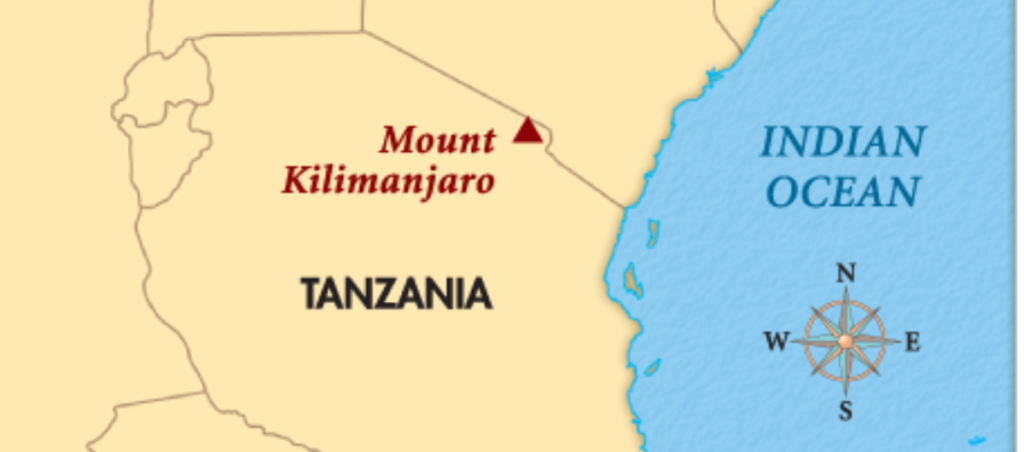
Image 1: A map of Africa with Tanzania highlighted, and a marker for Mount Kilimanjaro.
Kilimanjaro is nestled within the Kilimanjaro National Park, a UNESCO World Heritage Site. This protected area preserves not only the mountain itself but also the diverse ecosystems that surround it—from lush rainforest to alpine deserts.
2. Surrounding Landscape: The Heart of East Africa
What sets Kilimanjaro apart from other great peaks is its dramatic rise from the surrounding plains. Unlike many of the world’s highest mountains, Kilimanjaro is a free-standing stratovolcano, meaning it’s not part of a larger mountain range. This distinction gives it an unmistakable silhouette on the Tanzanian horizon.
The View from Below
From the base, travelers can see the snowy summit soaring more than 4,800 meters (15,700 feet) above the surrounding landscape. The nearest town, Moshi, serves as the starting point for most trekkers and is known for its friendly vibe, coffee plantations, and stunning mountain views.
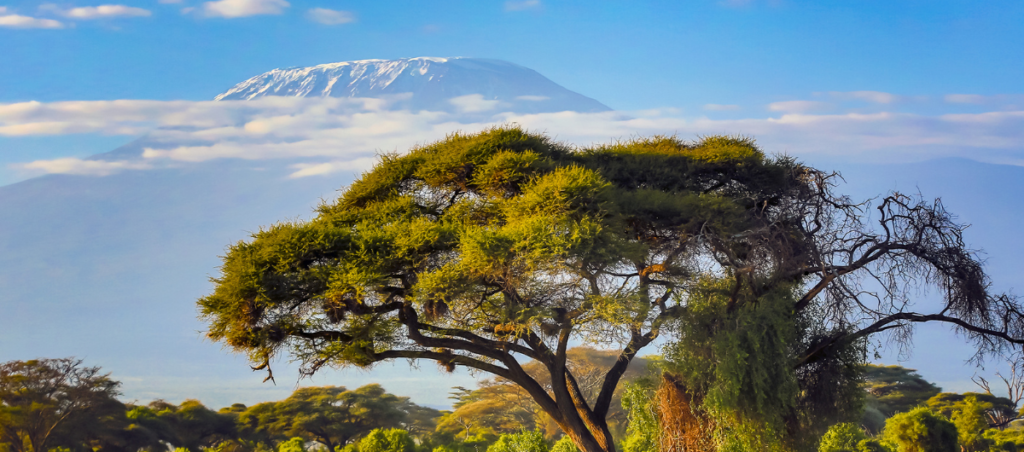
Image 2: A panoramic photo showing Mount Kilimanjaro rising above the savanna, with acacia trees and wildlife in the foreground.
3. Kilimanjaro’s Significance: More Than Just a Location
A Symbol of Africa
Kilimanjaro is often called the “Roof of Africa,” symbolizing the continent’s majesty and diversity. For locals, it’s a source of pride and a key part of Tanzanian identity. For global travelers, it’s a beacon calling for exploration and adventure.
Cultural Importance
The mountain holds deep spiritual significance for the Chagga people who live on its slopes. Local legends and folklore are woven into the fabric of daily life, and many villages offer unique cultural experiences for visitors.
Ecological Diversity
Within its national park, Kilimanjaro encompasses five distinct ecological zones:
- Cultivation Zone: Fertile lower slopes with farms and villages
- Montane Forest: Dense rainforest with monkeys and exotic birds
- Heather and Moorland: Rolling hills with giant groundsels and lobelias
- Alpine Desert: Stark, windswept terrain with little vegetation
- Arctic Summit: Snowfields, glaciers, and breathtaking views
This diversity means trekkers pass through a microcosm of Africa’s landscapes as they ascend to the summit.
4. Getting There: Travel Tips and Entry Points
Airports and Access
The most common way to reach Kilimanjaro is by flying into Kilimanjaro International Airport (JRO), conveniently located between Moshi and the larger city of Arusha. From the airport, it’s a short drive to Moshi or the national park gates.
Entry Towns
- Moshi: The main base for trekkers; offers accommodations, gear rental, and guides.
- Arusha: A larger city about 80 km (50 miles) west of Moshi; popular for combining Kilimanjaro climbs with wildlife safaris.
Border Proximity
While the mountain is in Tanzania, the Kenyan town of Loitokitok lies just across the border and offers distant views of Kibo’s peak. However, all official climbing routes start from the Tanzanian side.
5. The Climb: Routes and Experiences
There are several established routes to the summit, each beginning in the lush forests at the mountain’s base:
- Marangu Route: Known as the “Coca-Cola Route”; offers huts for accommodation.
- Machame Route: The “Whiskey Route”; scenic and popular for its varied landscapes.
- Lemosho and Shira Routes: Longer, quieter, and great for wildlife spotting.
- Rongai Route: Approaches from the north, near the Kenyan border.
Climbers gradually ascend through the different ecological zones, culminating in the final push to Uhuru Peak—the highest point on the mountain.
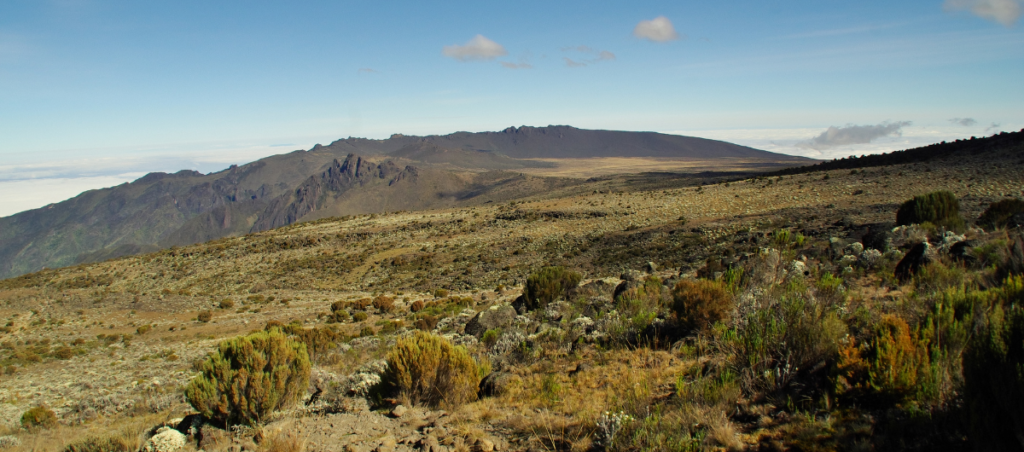
Image 3: The Machame Route, passing through cloud forests with Mount Kilimanjaro looming in the distance.
6. Why is Kilimanjaro So Unique?
- Accessibility: Unlike the Himalayas or Andes, no technical climbing or mountaineering skills are required to summit Kilimanjaro—just stamina, determination, and good preparation.
- Dramatic Changes: In just a few days of trekking, you can experience everything from tropical rainforests to glaciers.
- Wildlife Encounters: Elephants, buffalo, and monkeys can be spotted in the lower regions.
7. Kilimanjaro in Context: Regional Attractions
Kilimanjaro’s location makes it a perfect launching point for more East African adventures:
- Serengeti National Park: World-famous for its annual wildebeest migration.
- Ngorongoro Crater: A wildlife haven and UNESCO site.
- Lake Manyara and Tarangire National Parks: Excellent for birdwatching and game drives.
- Amboseli National Park (Kenya): Offers classic views of Kilimanjaro with elephants in the foreground.
Many travelers combine a Kilimanjaro trek with a safari, making for a once-in-a-lifetime double adventure.
8. Practical Travel Tips
- Best Time to Visit: The dry seasons (January–March and June–October) offer the clearest weather.
- Permits & Guides: All climbers must register with the park and be accompanied by licensed guides and porters.
- Health & Safety: Altitude sickness is a real risk; plan for acclimatization and talk to a doctor before your trip.
- Cultural Respect: Learn a few words of Swahili and engage with local customs for a richer experience.
Conclusion: Kilimanjaro Awaits
Mount Kilimanjaro is more than just Africa’s highest peak—it’s a symbol of adventure, a showcase of natural beauty, and a testament to Tanzania’s rich culture and hospitality. Whether you’re planning to climb its slopes or simply admire its grandeur from below, knowing exactly where Kilimanjaro is—and what surrounds it—adds depth and excitement to your journey.
Ready to set your sights on the Roof of Africa? Kilimanjaro’s unforgettable landscapes and vibrant communities are waiting for you!