Quick Answer: How Much Does It Cost to Climb Kilimanjaro?
Before booking your adventure to the Roof of Africa, one important question needs a clear answer: How much does it cost to climb Kilimanjaro?
In 2026, a reputable guided Kilimanjaro climb generally costs around $2,000 to $4,000+ per person, depending on the route, number of days, group size, and level of service. Premium and luxury private climbs can cost considerably more, reaching upwards of $7,000. However, the advertised climbing package is only part of your overall travel budget. Flights, visas, travel insurance, personal equipment, and tips can add significantly to the final cost.
Current 2026 industry pricing guides broadly place reputable 7–8 day climbs in the $1,800–$4,500 range. These are planning ranges rather than fixed prices because the final cost heavily depends on your specific itinerary, the size of your group, and the services included.
| Climbing Style | Estimated Cost Per Person | Best For |
|---|---|---|
| Budget Kilimanjaro Climb | $1,800–$2,300 | Cost-conscious travelers, larger groups |
| Standard / Mid-Range Climb | $2,300–$3,200 | Great value, comfortable camping, smaller groups |
| Premium Climb | $3,200–$4,500 | Extra comfort, high-quality gear, personalized food |
| Luxury / Private Climb | $4,500–$7,000+ | Exclusive private teams, premium hotels, luxury tents |
For many travelers, a 7-day or 8-day climb with a reputable local operator offers the best balance between price, acclimatization, and comfort. Keep in mind that extremely low prices often mean corners are being cut on crew welfare or safety equipment.
What Is Included in a Kilimanjaro Climb?
One reason Kilimanjaro prices can look high compared with an ordinary hiking trip is that climbing the mountain involves considerably more logistics. You aren’t just paying for a guide; you are funding a massive logistical operation designed to keep you safe and comfortable at high altitudes.
A professional Kilimanjaro package typically includes the following essential services:
- Mountain Fees: Kilimanjaro National Park fees, rescue fees, and mountain crew park entry.
- Human Power: Professional mountain guides, porters to carry gear, and camp cooks.
- Accommodation: Quality sleeping tents, thick sleeping mattresses, and pre/post-climb hotel nights.
- Basecamp Setup: Dining or mess tents with tables and chairs, plus all cooking equipment.
- Food & Hydration: Three hot meals per day during the trek and safe drinking water.
- Logistics & Safety: Transportation to and from the mountain gates, airport transfers, first-aid equipment, and altitude monitoring devices (like pulse oximeters).
This is why it is critical to compare what is included line-by-line rather than simply choosing the operator with the lowest advertised price on Google. A cheap package that excludes airport transfers and hotel stays will quickly end up costing just as much as a fully inclusive standard package.
Kilimanjaro Cost Breakdown: Where Does Your Money Go?
Understanding exactly where your money goes makes it much easier to assess the true value of different Kilimanjaro packages. Your fee is generally split into four major categories.
1. National Park and Mountain Fees
A significant part of your climbing cost goes directly to the Tanzanian government through official mountain and park charges. These non-negotiable fees contribute to park conservation, mountain management, rescue services, environmental protection, trail maintenance, and the upkeep of camping or hut facilities.
The exact amount depends on the route and the number of days you spend inside the park boundaries. If an operator appears dramatically cheaper than competitors, check whether park fees and other mandatory costs are actually included.
2. Guides, Porters and Mountain Crew
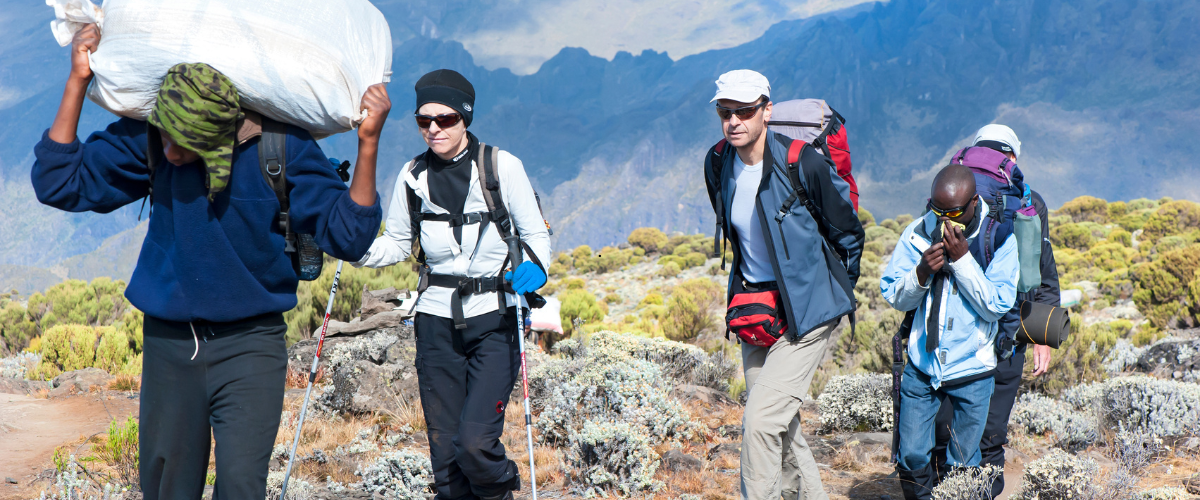
Your mountain crew is the heart and soul of your Kilimanjaro experience. Guides lead the trek, monitor your health, and help manage altitude-related challenges. Porters carry all the camping equipment, food, and your personal duffel bags. Cooks prepare energy-dense meals in difficult conditions.
A responsible operator will have a transparent approach to crew employment, ensuring fair wages, proper gear, and adequate food for their staff. A slightly more expensive trip often provides better crew support, which translates directly into a better, safer experience for you.
3. Accommodation (Tents vs. Huts)
Accommodation varies according to the route. The Marangu Route is unique because it uses wooden mountain huts. Routes such as Machame and Lemosho use mountain camps with tents. A standard package includes sleeping tents, mattresses, and a dining tent. Luxury operators upgrade this with larger walk-in tents, proper cots, private portable toilets, and enhanced dining setups.
4. Food and Drinking Water
At high altitude, your body burns massive amounts of calories. A quality trekking package includes hearty breakfasts, lunches, and dinners designed to provide sustained energy. Meals often feature porridge, eggs, fresh bread, rice, pasta, potatoes, vegetables, protein, and fresh fruit. Purified or boiled drinking water is also provided daily.
Kilimanjaro Cost by Route
The route you choose has a major impact on the final cost. Longer routes generally cost more because they require additional daily park fees, extra meals, more crew wages, and additional camping nights.
Machame Route Cost
The Machame Route is widely considered the most popular way to climb Kilimanjaro, offering incredible scenery and a great “walk high, sleep low” acclimatization profile. A 7-day Machame climb typically falls perfectly within the mid-range budget.
Africa Paradise Adventures currently lists its 7-Day Machame Route at $2,169 per person. This comprehensive package includes mountain transportation, national park fees, rescue fees, mountain crew, meals, tents, mattresses, and airport transfers. Items such as tips, visas, and personal climbing gear are excluded.
Typical Planning Budget: $2,000–$3,200 per person.
Lemosho Route Cost
The Lemosho Route is particularly attractive to travelers looking for pristine wilderness, fewer crowds on the first few days, and a longer acclimatization profile. It normally takes around 7–8 days. Because it requires more time on the mountain and a longer drive to the starting gate, it costs slightly more than Machame.
Typical Planning Budget: $2,400–$3,500+ per person.
Marangu Route Cost
The Marangu Route, sometimes called the “Coca-Cola Route,” is the only major Kilimanjaro route that uses A-frame mountain huts instead of tents. It usually takes around 5–6 days. The shorter itinerary makes Marangu appear cheaper, but fewer trekking days mean less time for your body to adjust to the extreme altitude, lowering summit success rates.
Typical Planning Budget: $1,900–$3,000+ per person.
Rongai Route Cost
Approaching Kilimanjaro from the drier northern side near the Kenyan border, Rongai provides a different perspective of the mountain. It takes approximately 6–7 days and is particularly appealing to travelers who prefer a quieter trekking experience with lower rainfall.
Typical Planning Budget: $2,100–$3,300+ per person.
Northern Circuit Cost
The Northern Circuit is the longest and newest major Kilimanjaro route, usually taking 8–9 days. By traversing the quieter northern slopes, it offers the best acclimatization and the highest summit success rates. The extended time on the mountain makes it the most expensive standard route.
Typical Planning Budget: $2,800–$4,500+ per person.
Budget vs. Standard vs. Luxury Kilimanjaro
Not every traveler needs or wants the same level of comfort on the mountain. Your chosen service tier will be the biggest variable in your overall pricing.
Budget Kilimanjaro Climb: $1,800–$2,300
A budget climb focuses on providing the essential mountain services at a lower price point. You can expect shared group trekking, standard dome tents, basic but nutritious meals, shared airport transfers, and standard hotel accommodations. Groups tend to be larger.
Important: A budget climb should never mean compromising on safety. Always ensure the operator provides professional guides, pulse oximeters, emergency oxygen, and fair wages for their crew.
Standard Kilimanjaro Climb: $2,300–$3,200
For most travelers, this is the sweet spot. A standard climb typically offers a 6–8 day itinerary with highly experienced guides, good-quality 4-season camping equipment, varied and plentiful meals, and smaller to moderate-sized groups. It includes comfortable pre- and post-climb hotel accommodations and proper, rigorous safety procedures.
Premium and Luxury Kilimanjaro Climbs: $3,200–$7,000+
Premium climbs offer exceptional comfort. You may receive private trekking arrangements, larger walk-in sleeping tents with raised cots, private portable toilets, highly personalized meals, and extra guide support.
True luxury expeditions take this further. They can include private climbing teams, premium 5-star lodges before and after the trek, private airport transfers, elaborate dining arrangements featuring fresh luxury ingredients, and dedicated support staff to handle every detail. Luxury prices scale up rapidly based on hotel choices and the level of exclusivity.
How to Save Money on a Kilimanjaro Climb
If you are asking, “Is a cheap Kilimanjaro climb worth it?” the answer is usually no. Cheapest is rarely the best value. A bottom-dollar price often reflects cut corners in crew wages, safety equipment, or food quality. Instead of hunting for the lowest price, focus on maximizing value with these strategies:
- Join a Group Climb: Private climbs carry a premium. If you are traveling alone or as a couple, joining a scheduled group departure significantly reduces the per-person cost.
- Choose the Right Route: The 7-day Machame Route offers an excellent balance. It is long enough to provide vital acclimatization while remaining relatively affordable compared to 9-day routes.
- Rent or Bring Your Own Gear: If you already own high-quality hiking equipment, bringing it saves money. For big-ticket items you’ll only use once (like a sub-zero sleeping bag), rent from your operator.
- Book Directly With a Local Operator: Booking directly with a reputable Tanzanian operator like Africa Paradise Adventures removes international middleman agencies, reducing costs and ensuring your money stays in the local economy.
Can You Combine Kilimanjaro With a Safari?
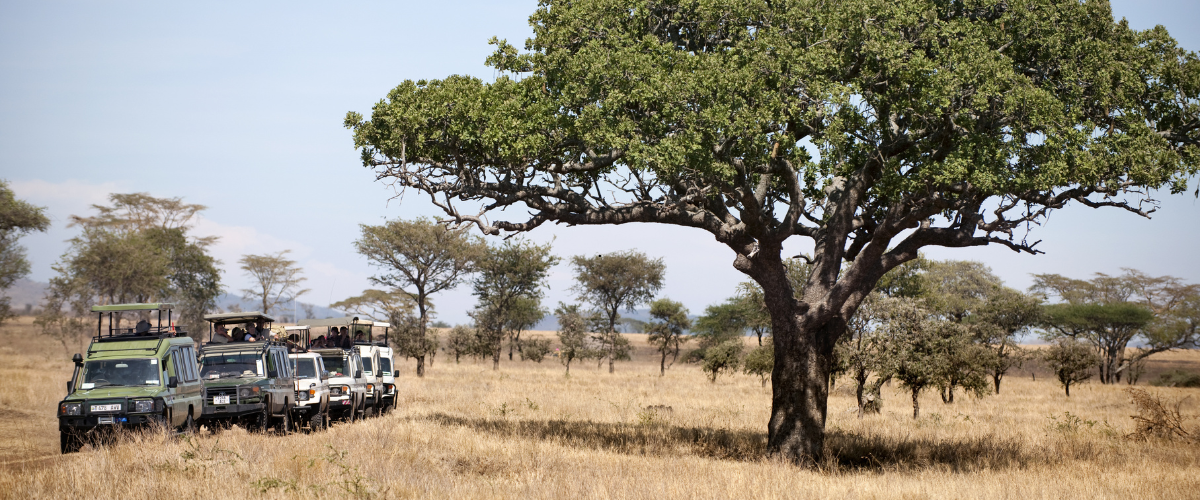
Absolutely. One of the biggest advantages of climbing Kilimanjaro in Tanzania is the opportunity to combine your mountain adventure with a world-class wildlife safari. It is the ultimate African travel itinerary.
<
After pushing your body to reach Uhuru Peak, rewarding yourself with a few days of luxury in a safari vehicle is incredible. Northern Tanzania’s legendary parks—including the Serengeti, the Ngorongoro Crater, Tarangire, and Lake Manyara—are just a short drive or flight from the mountain.
Africa Paradise Adventures specializes in customized Tanzania adventures, seamlessly linking your high-altitude trek with spectacular wildlife viewing. When planning your budget, mention that you’d like a safari extension; booking them together often results in better logistics and bundled pricing.
Frequently Asked Questions About Kilimanjaro Costs
How much does it cost to climb Kilimanjaro in 2026?
A reputable guided Kilimanjaro climb generally costs around $2,000–$4,000+ per person. Luxury private expeditions can exceed $5,000 to $7,000+. The exact price depends on your route, the duration of the trek, group size, and the level of included services.
Is $2,000 enough to climb Kilimanjaro?
A budget of $2,000 may be enough for the climbing package itself (especially on budget group departures or shorter routes), but it will not cover your entire trip. Once you add international flights, a Tanzania visa, specialized travel insurance, gear rental/purchases, and crew tips, your total trip budget will be notably higher.
What is the cheapest way to climb Kilimanjaro?
The cheapest safe method is to join an existing group climb on a 6 or 7-day route. However, you should never sacrifice professional guides, proper acclimatization days, safety equipment, or responsible crew treatment just to save a few hundred dollars.
How much does the Machame Route cost?
Africa Paradise Adventures currently lists its comprehensive 7-day Machame Route package at $2,169 per person. This covers major logistics like park fees, rescue fees, all meals, camping equipment, the mountain crew, and airport transfers.
Do I need to pay for a guide, or can I climb alone?
You cannot climb Kilimanjaro alone. Tanzanian park regulations strictly require all trekkers to be accompanied by a licensed mountain guide. Travelers must book through a registered operator to organize the necessary permits, guides, and porters.
Are tips included in Kilimanjaro prices?
Usually not. Tips for guides, porters, and cooks are a deeply ingrained part of the mountain culture and are generally paid separately in cash at the end of the trek. You should budget an additional $250–$350 for this.
Ready to Climb Africa’s Highest Mountain?
For most first-time climbers, a 7–8 day climb with a reputable operator provides the best balance of price, comfort, and safety. Your investment pays for much more than reaching the summit—it supports the local crew, provides high-quality gear, and ensures emergency systems are in place thousands of meters above sea level.
Plan your 2026 Kilimanjaro adventure with Africa Paradise Adventures. We provide professional mountain crews, excellent camping equipment, and unwavering safety support. Request a personalized quotation based on your preferred route, group size, and travel dates.